
Brick Mortar Repointing for Lasting Repairs
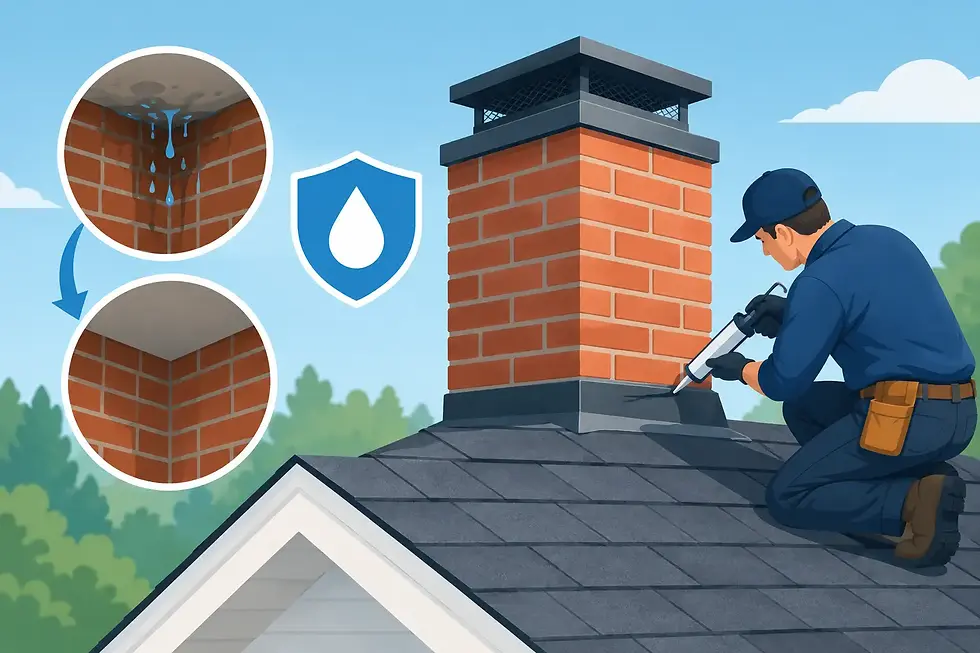
Mortar is supposed to protect the brick around it. When it begins to crack, wash out, or turn soft, water can work its way into the wall or chimney system one joint at a time. Brick mortar repointing restores those failing joints before a manageable repair becomes loose brick, interior water damage, chimney instability, or a costly rebuild.
For South Carolina homeowners, moisture is usually the main concern. Heavy rain, humid summers, temperature changes, and years of exposure can slowly wear mortar away. The brick may still look solid from a distance, but open joints can allow water behind the face of the masonry, where the real damage begins.
What Brick Mortar Repointing Actually Fixes
Repointing is the process of removing deteriorated mortar from between bricks and installing new mortar that matches the masonry's needs. It is not simply smearing fresh mortar over a crack. A proper repair requires the damaged joint to be cleaned out to a sound depth, prepared correctly, filled in layers, and finished to help shed water.
The goal is to restore the strength and weather resistance of the masonry while protecting the existing brick. Mortar and brick need to work together. Mortar that is too hard for older brick can cause the brick faces to crack or flake over time. Mortar that is poorly mixed or installed without proper joint preparation may separate early and leave the same water-entry problem behind.
On a chimney, repointing can help stabilize the exterior stack, protect the flue area, and prevent rain from reaching vulnerable sections of the structure. On a brick home, retaining wall, column, or set of steps, it can stop joint loss from spreading across the surface and preserve the appearance of the masonry.
Signs Your Mortar Joints Need Attention
A close look at your chimney or exterior brick can reveal a lot. Mortar joints that are recessed well behind the brick face, cracked in long lines, missing in spots, or crumbling when touched are common signs of deterioration. You may also see small pieces of mortar collecting at the base of a chimney or on nearby steps and walkways.
Water-related symptoms deserve attention as well. Damp staining on interior walls near a chimney, white powdery deposits on exterior brick, rust around a fireplace damper, or recurring chimney leaks can all point to a masonry system that is letting in moisture. Repointing may be part of the solution, but the full system still needs to be checked. A cracked crown, missing chase cover, failed flashing, or damaged cap can send water into areas that new mortar alone will not protect.
Loose brick is a more urgent warning. If a brick shifts when touched, a section of chimney is leaning, or mortar loss is visible around the top courses of the stack, do not wait for the next storm season. That is a safety issue, especially on a chimney or a brick column supporting a roof, gate, or porch structure.
Why Surface Patching Is Not Enough
A quick surface patch can make joints look better for a while, but appearance is not the same as repair. If weak mortar remains behind the patch, the new material has little sound surface to bond to. Water can continue traveling through cracks or gaps, and the patch may break loose after a short time.
Proper repointing starts with identifying how much mortar needs to come out. Not every joint needs replacement. Sound mortar should be left in place whenever possible, while failed areas are removed carefully without chipping the surrounding brick. This is especially important on older homes, where brick can be softer than modern masonry materials.
The joint profile matters, too. Mortar should be finished in a way that fits the existing masonry and directs water away from the wall. Clean, consistent joints do more than improve curb appeal. They reduce places where rain can sit, freeze, expand, and continue breaking down the work.
Chimney Repointing Requires a Full-System Look
A masonry chimney stands above the roofline and takes the full force of sun, wind, and rain. That exposure makes it one of the most common places for mortar failure. Because the chimney also serves a fireplace, wood stove, or gas appliance, repairs should be approached with safety in mind.
Failing joints near the top of a chimney are often connected to other issues. A damaged crown may be allowing water into the chimney body. A missing cap can expose the flue to rain and debris. An old or improperly installed liner may create a separate fire or carbon monoxide concern. If the chimney has a fireplace insert, the insert should be inspected to make sure it is properly connected and vented.
That does not mean every chimney needs a complete rebuild. Many chimneys can be saved with targeted brick mortar repointing, crown repair, flashing work, and replacement of damaged bricks. The right scope depends on the condition of the structure, not on a one-size-fits-all repair package.
What a Quality Repointing Job Should Include
Homeowners should expect clear communication before masonry work begins. The contractor should explain where the mortar has failed, whether any bricks need replacement, what is causing the damage, and whether nearby components such as the crown or flashing also need repair.
During the work, damaged mortar should be removed with care, joints should be cleaned, and the new mortar should be selected and installed for a dependable bond. The repair area should be kept orderly, and surrounding roofing, landscaping, siding, and hard surfaces should be protected from unnecessary mess.
Color matching is also worth discussing. New mortar may look different at first, particularly beside weathered brick and older joints. With the right material and finish, it will blend more naturally as it cures and weathers. A contractor should set realistic expectations instead of promising an invisible repair where age and weathering make that impossible.
When Repointing Is Not the Whole Answer
Repointing is a strong repair option when the brick itself remains in good condition and the main failure is in the joints. It may not be enough when bricks are badly spalled, a chimney has shifted out of plumb, a wall is bulging, or water has damaged the structure behind the masonry.
For example, chipped or flaking brick may need replacement instead of new mortar around it. A chimney with major movement may require partial rebuilding. Brick steps that have settled or separated from the house can need concrete or foundation repair before the joints are addressed. Fixing only the visible mortar without correcting the cause can waste money.
This is why an on-site evaluation matters. A good repair plan addresses the condition of the masonry, the path water is taking, and the safety of the structure. It also gives you a clear scope and price before work starts.
Protect Your Masonry Before Small Damage Spreads
The best time to address failing mortar is before bricks loosen and leaks show up inside the home. Check your chimney, steps, columns, and exterior walls at least once a year, especially after severe storms. Pay close attention to high, exposed areas and places where water repeatedly runs across the brick.
Coles Chimney and Brick Repair LLC provides detailed masonry and chimney evaluations for homeowners who want straightforward answers and dependable repair work. Whether the issue is a few worn joints or a chimney showing signs of larger failure, getting the condition checked early gives you more repair options and helps protect the home you have worked hard to maintain.
Comments