Best Chimney Repair Techniques for Long-Lasting Results
Maintaining a chimney is essential for safety and efficiency. Over time, chimneys face wear and tear from weather, heat, and use. Knowing the best chimney repair techniques helps prevent costly damage and keeps your home safe. I will share practical methods that work well for chimney repair. These techniques are straightforward and effective. They focus on fixing common problems and extending the life of your chimney.
Essential Chimney Repair Techniques
Chimneys need regular inspection and repair to stay functional. Here are some of the best chimney repair techniques I recommend:
1. Tuckpointing
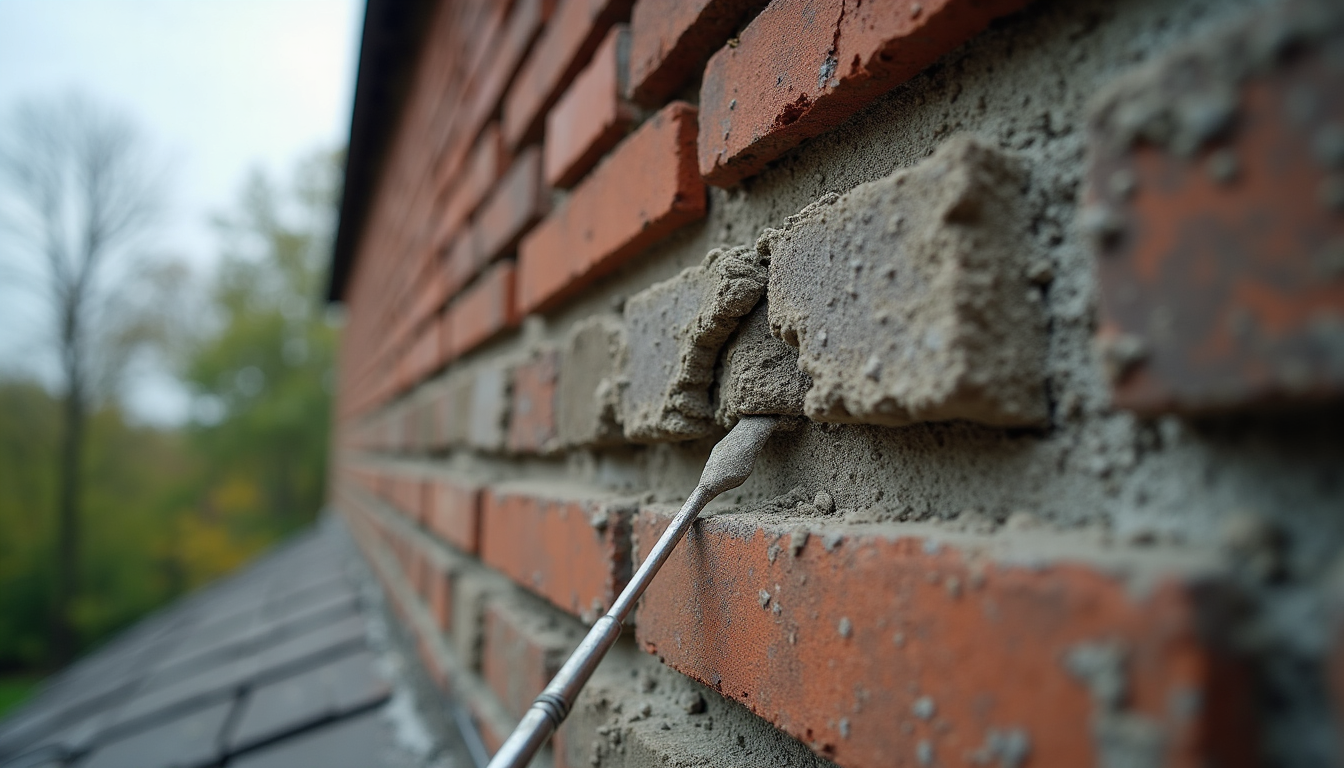
Tuckpointing involves removing damaged mortar between bricks and replacing it with fresh mortar. This technique restores the chimney’s structural integrity and prevents water from seeping in. It is one of the most common repairs for older chimneys.
2. Chimney Crown Repair
The chimney crown is the top part that protects the chimney from rain and snow. Cracks or damage here allow water to enter and cause further problems. Repairing or replacing the crown with a waterproof material is crucial.
3. Flue Repair or Relining
The flue carries smoke out of the home. Over time, it can crack or deteriorate. Repairing the flue or installing a new liner improves safety and efficiency. Stainless steel liners are popular for their durability.
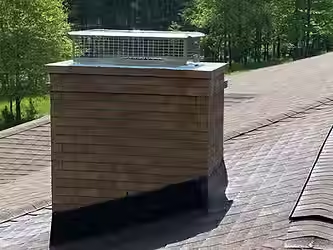
4. Chimney Cap Installation
A chimney cap prevents animals, debris, and water from entering the chimney. Installing a cap is a simple but effective repair that protects the chimney and reduces maintenance needs.
5. Waterproofing
Applying a waterproof sealant to the chimney exterior helps prevent water damage. This technique is especially important in areas with heavy rain or freeze-thaw cycles.
These techniques address the most common chimney problems. Using them together ensures your chimney stays safe and functional for years.

Close-up view of brick chimney showing fresh mortar applied during tuckpointing.
How to Identify When Chimney Repair Is Needed
Knowing when to repair your chimney is key. Here are signs that indicate repair is necessary:
Cracked or missing mortar between bricks
Damaged or cracked chimney crown
Rust or cracks in the flue liner
Water stains or dampness inside the fireplace
Smoke entering the home instead of going up the chimney
Animals or debris blocking the chimney
If you notice any of these signs, it is time to inspect and repair your chimney. Ignoring these issues can lead to bigger problems like structural damage or fire hazards.
Regular inspections by a professional can catch problems early. However, homeowners can also perform basic checks. Look for visible cracks, loose bricks, or signs of water damage. Early detection saves money and keeps your chimney safe.
Will Insurance Pay for Chimney Repair?
Many homeowners wonder if insurance covers chimney repair. The answer depends on the cause of the damage and your policy.
Covered Causes: Insurance often covers chimney damage caused by sudden events like fire, lightning, or storms.
Not Covered: Damage from normal wear and tear, neglect, or lack of maintenance usually is not covered.
It is important to review your homeowner’s insurance policy carefully. Some policies offer optional coverage for chimney and masonry damage. If you have damage from a covered event, file a claim promptly with documentation.
For routine repairs and maintenance, insurance will likely not pay. This means regular upkeep is your responsibility. Staying on top of repairs prevents costly damage that insurance will not cover.
Tools and Materials for DIY Chimney Repair
Some chimney repairs can be done by homeowners with the right tools and materials. Here is what you need for common repairs:
Tuckpointing: mortar mix, pointing trowel, hammer and chisel, wire brush
Crown repair: concrete mix, trowel, waterproof sealant
Flue inspection: flashlight, chimney brush
Waterproofing: masonry waterproof sealant, paintbrush or sprayer
Cap installation: chimney cap, screwdriver or drill
Safety is critical. Always wear gloves, eye protection, and a dust mask. Use a sturdy ladder and avoid working on the roof in bad weather.
For complex repairs like flue relining or major structural work, hire a professional. Improper repairs can cause safety hazards.

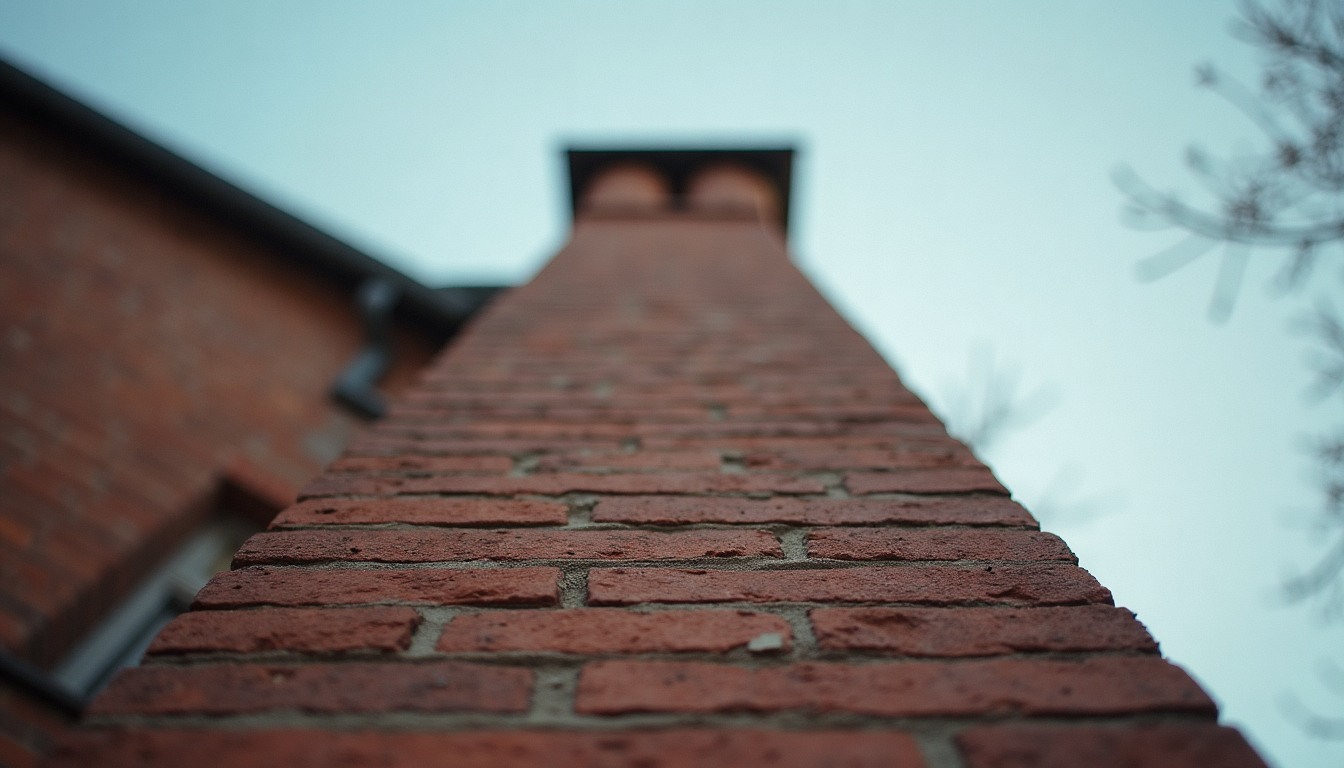
Eye-level view of a chimney cap being installed on a brick chimney.
Maintaining Your Chimney After Repairs
Repairing your chimney is only part of the process. Proper maintenance keeps it in good shape. Here are some tips:
Schedule annual inspections and cleanings by a certified chimney sweep.
Check the chimney cap regularly to ensure it is secure and undamaged.
Keep the area around the chimney clear of debris and vegetation.
Avoid burning wet or treated wood that can damage the flue.
Apply waterproof sealant every few years to protect the masonry.
Following these steps extends the life of your chimney and reduces the need for major repairs.
If you notice any new cracks, leaks, or smoke issues, address them immediately. Small problems can quickly become dangerous.
Why Choose Professional Chimney Repair Services
While some repairs are DIY-friendly, many require professional expertise. Professionals have the tools, experience, and knowledge to handle complex repairs safely.
Benefits of hiring a professional include:
Accurate diagnosis of chimney problems
Proper repair techniques that meet safety codes
Access to specialized equipment
Warranty on repair work
Peace of mind knowing the chimney is safe
For homeowners in Oconee County and Anderson, reliable chimney repair services are essential. Trustworthy experts ensure your chimney functions well and protects your home.
If you want to learn more about chimney maintenance or schedule an inspection, consider contacting a local specialist. They can provide tailored advice and quality repairs.
Taking care of your chimney is important for safety and comfort. Using the best chimney repair techniques keeps your chimney strong and efficient. Whether you choose to do minor repairs yourself or hire a professional, regular attention to your chimney pays off. Remember, a well-maintained chimney adds value and safety to your home.
For more information on chimney repair, visit chimney chimney repair.
Comments