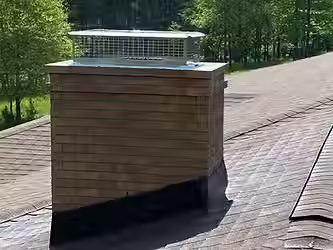
The Importance of Chimney Cleaning and Inspection: Essential Chimney Maintenance Procedures
A chimney is a vital part of any home with a fireplace or wood stove. It vents smoke and gases safely outside. Over time, chimneys collect soot, creosote, and debris. These build-ups can cause fires or block dangerous gases from escaping. That is why regular chimney cleaning and inspection are necessary.
Proper chimney maintenance procedures keep your home safe and your fireplace working efficiently. In this post, I will explain why chimney care matters, what the process involves, and how often it should be done. I will also share practical tips for homeowners in Oconee County and Anderson who want to protect their homes.
Why Chimney Maintenance Procedures Matter
Chimneys face constant exposure to heat, smoke, and weather. This exposure causes wear and tear. Without regular care, problems can develop that threaten safety and performance.
Here are the main reasons to maintain your chimney:
Prevent chimney fires: Creosote is a flammable substance that builds up inside chimneys. It can ignite and cause dangerous fires.
Avoid carbon monoxide poisoning: Blockages can stop harmful gases from venting outside. This can lead to carbon monoxide entering your home.
Improve heating efficiency: A clean chimney allows smoke and gases to flow freely. This helps your fireplace burn better and use less fuel.
Extend chimney lifespan: Regular inspections catch damage early. Repairs can prevent costly replacements later.
Protect your home’s structure: Water leaks and cracks can damage walls and ceilings around the chimney.
Ignoring chimney maintenance can lead to costly repairs and serious safety risks. Taking care of your chimney is an investment in your home’s safety and comfort.

What Does Chimney Cleaning and Inspection Involve?
Chimney cleaning and inspection are two separate but related tasks. Both are important for chimney health.
Chimney Cleaning
Cleaning removes soot, creosote, and debris from inside the chimney flue. This is usually done with brushes and vacuum equipment. The goal is to clear any blockages and reduce fire risk.
A professional chimney sweep will:
Inspect the chimney for visible damage.
Use specialized brushes to scrub the flue walls.
Vacuum out loose debris and soot.
Clean the firebox and smoke chamber.
Check and clean the chimney cap and damper.
Chimney Inspection
Inspection involves a thorough check of the chimney’s condition. This includes looking for cracks, leaks, and structural issues. Inspectors also check the chimney liner and flashing.
There are three levels of chimney inspection:
Level 1: Basic inspection of accessible areas. Done annually.
Level 2: More detailed inspection including the attic and roof. Required if you buy or sell a home.
Level 3: Complete inspection including removal of parts if needed. Done when serious damage is suspected.
A professional will use cameras and tools to inspect hard-to-see areas. They will provide a report and recommend repairs if necessary.
How Long Does It Take to Inspect a Chimney?
The time needed for a chimney inspection depends on the chimney’s size and condition. On average:
A Level 1 inspection takes about 30 to 60 minutes.
A Level 2 inspection can take 1 to 2 hours.
A Level 3 inspection may take several hours or more, depending on the work involved.
Scheduling regular inspections saves time and money by catching problems early. It also ensures your chimney meets safety standards.
When Should You Schedule Chimney Cleaning and Inspection?
Most experts recommend chimney cleaning and inspection at least once a year. The best time is before the heating season starts. This ensures your chimney is safe and ready for use.
You should also schedule an inspection if:
You notice smoke backing up into the room.
There is a strong creosote smell.
You see cracks or damage on the chimney exterior.
You have recently bought a home with a fireplace.
You use your fireplace heavily during the winter.
Regular maintenance prevents emergencies and keeps your chimney in good shape.
How to Choose a Chimney Professional
Hiring a qualified chimney professional is important. Look for someone who:
Has proper certification and training.
Uses modern tools and techniques.
Provides clear estimates and reports.
Has good reviews and local experience.
Offers both cleaning and inspection services.
A trusted expert will explain the process and answer your questions. They will help you understand what repairs or maintenance are needed.
For reliable service in Oconee County and Anderson, consider scheduling a chimney clean and inspection. This ensures your chimney is safe and efficient for years to come.

Maintaining Your Chimney for Long-Term Safety
After cleaning and inspection, there are steps you can take to keep your chimney in good condition:
Use dry, seasoned wood to reduce creosote buildup.
Avoid burning trash or treated wood.
Keep the chimney cap in good repair to prevent animals and debris from entering.
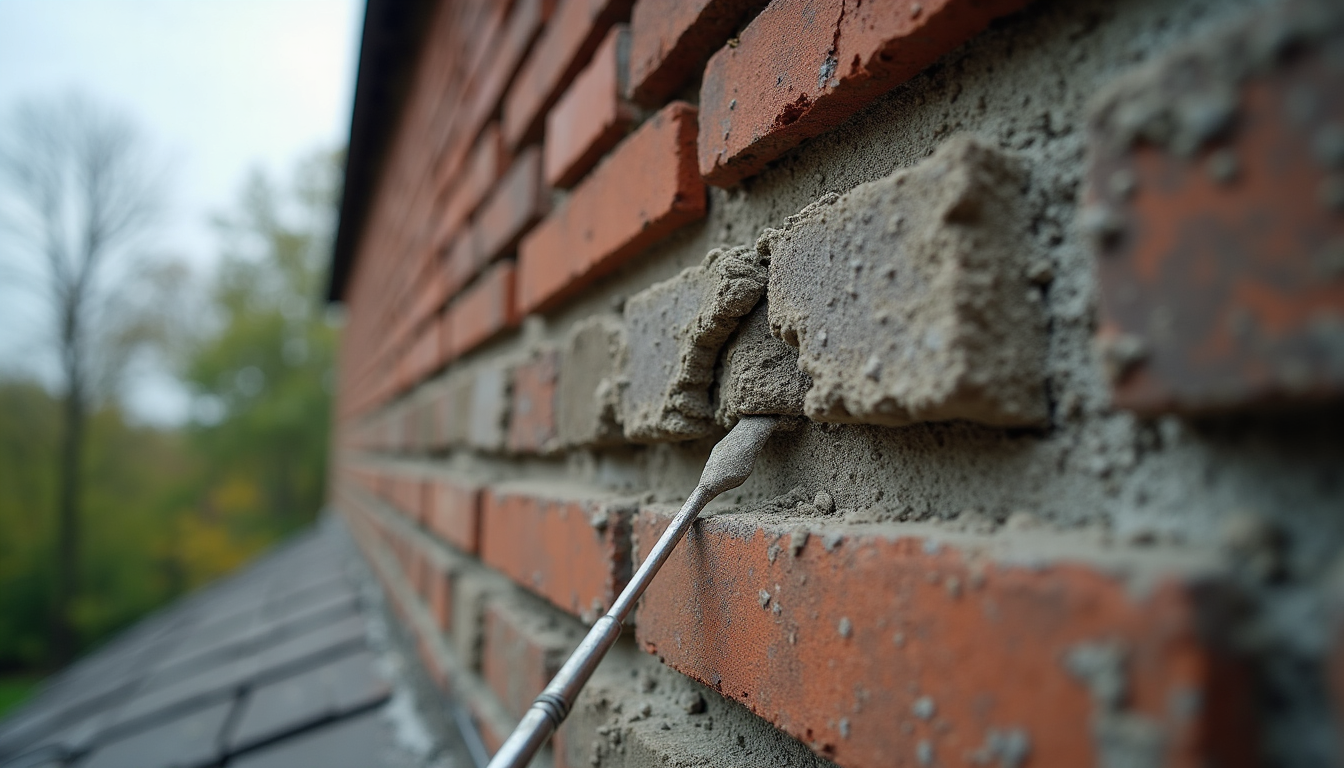
Check the chimney exterior for cracks or loose bricks.
Schedule annual inspections and cleanings.
By following these simple steps, you protect your home and extend the life of your chimney.
Regular chimney maintenance procedures are not just about safety. They also improve your fireplace’s performance and your home’s comfort. Taking care of your chimney is a smart choice that pays off in the long run.
If you want to keep your chimney safe and efficient, regular cleaning and inspection are essential. Don’t wait for problems to appear. Schedule professional chimney maintenance today and enjoy peace of mind all year round.
Comments