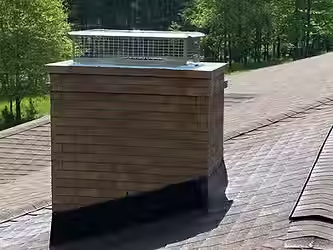
Chimney Repair Clemson South Carolina Warning Signs
Updated: Oct 13
A chimney can look solid from the yard while water is working its way through cracked mortar, a failing crown, or damaged flashing. For homeowners seeking chimney repair Clemson South Carolina services, the goal is not simply to make the chimney look better. The work needs to stop leaks, correct fire and carbon monoxide concerns, and protect the brickwork before a manageable repair becomes a larger structural job.
Clemson-area homes see humid weather, heavy rain, temperature changes, and the normal wear that comes with aging masonry. A chimney is exposed on every side and at the top, often taking more weather than any other part of the home. Prompt inspection and properly matched repairs are the practical way to keep it safe and standing straight.
When a Chimney Needs Repair
Some chimney problems are obvious. Loose bricks, a leaning stack, missing mortar, or water stains on the ceiling near the fireplace should never be ignored. Other issues begin quietly, especially when water enters through a small crack above the roofline.
Watch for changes around the fireplace and exterior masonry. White, powdery staining on brick, called efflorescence, can point to recurring moisture. Rust on a damper or firebox, peeling paint near the chimney, musty odors, and dark spots on interior walls can also signal a leak. If pieces of tile, mortar, or brick are falling into the firebox, schedule an inspection before using the fireplace.
A chimney that has not been cleaned or inspected in years may have a different kind of concern: creosote buildup. Creosote is a combustible byproduct of wood burning. It can collect inside the flue and raise the risk of a chimney fire, particularly if the flue has poor draft, damage, or an improper liner.
Chimney Repair in Clemson, South Carolina Starts With the Cause
A dependable repair begins with finding where the failure started. Covering a stain or patching a visible crack without checking the crown, flashing, liner, and mortar joints can leave the real problem in place.
Cracked chimney crowns and crown coats
The chimney crown is the concrete or masonry cap at the top of a masonry chimney. Its job is to shed water away from the flue and brick. When it cracks, separates, or holds water, moisture can travel into the chimney structure. Freeze-and-thaw movement is less severe in the Upstate than in colder regions, but repeated rain and changing temperatures still damage an exposed crown over time.
A crown coat can be an effective solution when the underlying crown is sound but needs a properly applied protective surface. More extensive cracking or deterioration may require rebuilding rather than coating. The right choice depends on the crown's condition, its slope, and whether water has already affected the brick below. Coles Chimney and Brick Repair LLC provides a 15-year warranty on crown-coat work, giving homeowners clear protection when that repair is the appropriate fit.
Deteriorated mortar and damaged brick
Mortar is not meant to last forever. As joints weaken, they let water into the masonry and reduce the wall's ability to hold the chimney together. Repointing removes failing mortar to the proper depth and installs new mortar that supports the brickwork while matching the existing structure as closely as practical.
Repointing is different from smearing mortar across the face of old joints. Surface patching may look acceptable briefly, but it often separates because the damaged material underneath was never removed. For loose, spalled, or broken brick, individual bricks may need replacement before the joints are repointed.
Leaks at flashing, chase covers, and caps
Not every chimney leak comes through the brick. Metal flashing where the chimney meets the roof can rust, pull away, or fail at a seal. Factory-built fireplaces use a metal chase cover rather than a masonry crown, and a rusted or poorly fitted cover can send water into the chase.
Chimney caps also matter. A properly sized cap helps keep rain, leaves, and animals out while allowing smoke to exit. A cap does not fix every water problem, but it is a useful part of a complete system when selected and installed correctly.
Flue liners, dampers, and fireplace inserts
The inside of the chimney deserves the same attention as the exterior. A cracked clay liner, missing liner, or damaged metal liner can expose surrounding materials to heat and combustion byproducts. Older fireplace inserts can create safety concerns when they are unlined, improperly installed, or connected to a flue that is not suited to the appliance.
A chimney professional can evaluate whether liner repair, relining, damper installation, or insert removal is needed. The work should be based on the fireplace, fuel type, flue size, and condition of the existing system. There is no one-size-fits-all answer, and a repair that is right for an open wood-burning fireplace may not be right for an insert.
What Homeowners Can Expect From a Professional Repair
Before work begins, a contractor should explain what was found, what needs to be repaired, and what can wait. Clear communication matters because chimney repairs can range from a focused crown repair to rebuilding unstable masonry above the roofline. A written scope helps avoid confusion about materials, access, cleanup, and the reason each repair is being recommended.
For a typical masonry repair, the crew may protect the roof and surrounding work area, remove loose material, rebuild damaged sections, repoint joints, and address the source of water intrusion. The repair should be allowed to cure properly. Masonry work is weather-dependent, so rain, extreme cold, or unusually wet conditions can affect scheduling and cure time. A contractor who explains those details is helping protect the finished work, not delaying the job without reason.
Price also depends on access and scope. A small crack at ground level is not the same as a damaged crown on a tall, steep-roof home. Scaffolding, roof protection, chimney height, material matching, and concealed water damage all affect cost. The best value is rarely the quickest patch. It is a repair that corrects the cause, uses sound workmanship, and prevents repeat damage.
Maintenance That Helps Repairs Last
Annual chimney inspections are a practical habit for homes that burn wood or use a fireplace regularly. Even if the fireplace is used only occasionally, an inspection can identify animal nests, moisture damage, cap problems, or masonry deterioration before the next season.
Homeowners should also keep an eye on changes after major storms. Check the attic and rooms around the fireplace for new stains, look for brick debris around the base of the chimney, and make sure gutters and roof drainage are not dumping excess water near masonry. Do not climb onto the roof to inspect a chimney yourself. A ground-level visual check is useful, but roof and flue conditions should be assessed safely by an experienced professional.
Avoid painting over failing mortar or sealing a wet chimney as a shortcut. Some masonry sealers have a place when applied to dry, properly repaired brick, but they do not replace repointing, crown work, flashing repair, or liner correction. Trapping moisture behind an unsuitable coating can make deterioration worse.
Choosing the Right Clemson Chimney Repair Contractor
Look for a licensed and insured contractor with hands-on masonry and chimney experience, not a company that treats all roofline problems as the same job. Ask how the contractor plans to identify the leak or safety concern, what materials will be used, and whether the repair addresses the entire affected area.
Good work is specific. It identifies whether the issue is a crown, cap, liner, damper, flashing detail, mortar joint, or unstable brick section. It also respects the appearance of the home by keeping repairs clean and matching existing masonry where possible. For homeowners, that combination of safety, clear communication, fair pricing, and craftsmanship is what turns a repair into a lasting solution.
If you notice a leak, crumbling mortar, smoke problems, or a fireplace that has not been inspected in years, do not wait for the next hard rain or cold night to test it. A timely inspection gives you the information needed to protect your home, use your fireplace with more confidence, and plan repairs before the damage spreads.


Comments