Fireplace Smoke Causes and How to Stop Them
Smoke should travel up the flue, not roll across the room. If your fireplace sends smoke into the house when you start a fire, add another log, or open the fireplace doors, do not treat it as a normal inconvenience. Fireplace smoke causes can range from simple operating issues to blocked flues, damaged chimney parts, or a draft problem that needs professional attention.
A smoky fireplace can leave odors and soot throughout the home, but the larger concern is safety. Smoke carries fine particles and can bring carbon monoxide into living areas. The right repair depends on what is interfering with the chimney's ability to draw smoke upward.
Common Fireplace Smoke Causes
A closed or restricted damper
The first item to check is the damper. A damper that is fully closed will stop smoke immediately, but a damper that is only partly open can cause trouble as well. It may look open from below while still restricting the flue enough to slow the draft.
Older dampers can rust, warp, loosen, or become covered in soot and creosote. The handle may move without the damper blade opening correctly. If the damper will not open fully, does not stay in place, or is difficult to operate, it may need adjustment or replacement.
A cold chimney flue
Cold air is heavy. When the chimney has been sitting unused, especially on a cool South Carolina morning, the cold air inside the flue can act like a plug. Smoke rises from the fire but meets a column of cold air that has not started moving upward yet.
This is often most noticeable during the first few minutes of a fire. Start with a small, hot kindling fire and use dry material that catches quickly. Some homeowners carefully warm the flue before building the main fire, but caution is necessary around open flame. If smoke backs into the room every time you use the fireplace, even after the flue is warm, there is likely more to investigate.
Wet or poorly seasoned firewood
Wood that is not properly seasoned creates more smoke because much of the fire's energy is spent boiling off moisture. The fire struggles to get hot, and the smoke cools quickly as it travels into the chimney. That weak, smoky burn also adds creosote to the flue.
Firewood should be dry, split, and stored off the ground with airflow around it. Do not burn green wood, construction scraps, painted lumber, cardboard, trash, or treated wood. These materials can create excessive smoke, harmful fumes, and fast creosote buildup.
A blocked or dirty chimney
Creosote, leaves, nesting material, animal activity, broken flue tiles, and debris can all reduce the open area inside a chimney. Even a partial blockage can affect draft. A chimney may appear fine from the fireplace opening while the problem sits higher in the flue or at the top of the chimney.
Creosote is especially important to address. It is a combustible byproduct of wood burning, and heavy accumulation increases the risk of a chimney fire. If smoke is entering the room, the fireplace has a strong odor, or you have not had the chimney cleaned and inspected recently, stop using it until its condition is checked.
An obstructed chimney cap or damaged chase cover
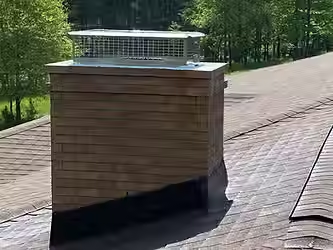
The top of the chimney has to release smoke freely while keeping rain, animals, and debris out. A damaged cap, crushed spark screen, or debris-covered top can restrict exhaust. On factory-built chimneys, a rusted or improperly fitted chase cover can also allow water into the system, leading to corrosion and damage below.
Water is hard on chimney components. It can deteriorate mortar, damage crowns, rust dampers, weaken liners, and create long-term draft problems. Repairing the top of the chimney promptly helps protect the entire system.
House pressure and competing appliances
Modern replacement windows, weatherstripping, exhaust fans, range hoods, clothes dryers, and HVAC equipment can change the air pressure inside a home. If the house is pulling air out faster than it can replace it, the fireplace may struggle to draw upward. Smoke can spill into the room instead.
This does not mean the fireplace is automatically defective. It means the appliance and the home's airflow need to be considered together. As a simple test, briefly crack a nearby window before lighting the fireplace. If the draft improves noticeably, negative pressure may be part of the problem. A chimney professional can help determine whether the issue is airflow, chimney height, flue size, or a combination of factors.
Flue size, liner, or fireplace insert problems
A chimney has to be sized and lined correctly for the appliance using it. An unlined chimney, a damaged clay tile liner, or a liner that is too small or too large can affect performance and safety. These problems are common in older homes and can also show up after a fireplace insert has been installed without the proper liner connection.
A wood-burning insert should not be treated as a simple cosmetic upgrade. The appliance, chimney liner, connection, clearances, and venting path all matter. Incorrect installation can create smoke problems, poor performance, and a fire hazard. A camera inspection can often show conditions that cannot be seen from the firebox.
Exterior chimney damage or poor design conditions
Cracked crowns, missing mortar, loose bricks, and deteriorated flashing may not directly cause smoke on day one, but they allow water into the masonry and chimney system. Over time, that damage can affect liners, dampers, caps, and structural stability.
Some chimneys also have persistent draft issues because of their location. A short chimney, a nearby roofline, tall trees, or surrounding structures can create downdrafts. These cases require a careful look at the whole system before recommending a taller chimney, a different cap, liner work, or another repair.
What to Do When Smoke Enters the Room
If smoke enters the house, do not keep adding wood in hopes that the fire will correct itself. Keep people away from the fireplace, open doors or windows as needed to ventilate the area, and make sure your carbon monoxide alarms are working. If anyone feels dizzy, nauseated, confused, or develops a headache, leave the area and seek immediate help.
Once the fire is completely out and the fireplace is cool, check whether the damper is open and whether you were using dry firewood. Those are reasonable homeowner checks. Avoid climbing on the roof, reaching into the flue, or trying to remove a blockage from below. A damaged liner, hidden animal nest, or creosote buildup needs proper inspection and safe removal.
When a Chimney Inspection Is the Right Next Step
A professional inspection is a smart next step when smoke problems repeat, odors remain after a fire, water has been entering the chimney, or the fireplace has not been used or serviced in a long time. It is also recommended before using an older fireplace after buying a home.
At Coles Chimney and Brick Repair LLC, we look at the practical causes behind the problem: the condition of the flue, creosote buildup, damper operation, liner condition, chimney cap, crown, masonry, and signs of water damage. Homeowners deserve a clear explanation of what is wrong, what needs to be repaired, and what can wait.
A fireplace should add comfort to your home, not smoke, odors, or uncertainty. If your fire will not draft properly, stop using it until the cause is identified and the chimney can operate safely again.


Comments