Fireplace Insert Installation Done Right
Updated: Oct 13
A fireplace insert can make an old, drafty fireplace more useful, but fireplace insert installation is not a simple matter of sliding a unit into the opening and connecting a pipe. The condition of the chimney, the fireplace dimensions, the liner, clearances, and the type of fuel all need to work together. When one part is overlooked, a project meant to improve comfort can create smoke problems, water damage, poor performance, or a serious fire hazard.
For homeowners in Fair Play, Oconee County, and surrounding South Carolina communities, the right installation begins with an honest look at the existing fireplace and chimney. Some masonry fireplaces are good candidates for an insert with only minor preparation. Others need liner work, damper removal, masonry repair, or leak correction before an insert can be safely installed.
Start With the Fireplace and Chimney Condition
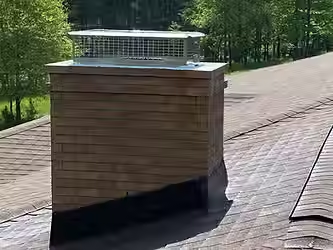
A fireplace may look sound from the living room while the chimney above the roofline tells a different story. Cracked crown coats, loose brick, missing mortar, rusted chase covers, damaged flashing, and water-stained fireboxes can all affect whether an insert should go in now or after repairs are completed.
The chimney should be inspected from the firebox to the top. That includes checking the flue, smoke chamber, damper area, exterior masonry, crown, cap, and roofline. If there is creosote buildup, the chimney should be properly cleaned before installation. A dirty flue can hide damage and creates an unnecessary fire risk once the new appliance is operating.
Water issues also need attention first. An insert does not solve a leaking chimney. In fact, installing an insert into a chimney with a failing crown, open mortar joints, or damaged chase cover can leave the new liner and appliance exposed to continued moisture. Correcting the source of the leak protects the work and helps prevent larger masonry repairs later.
The Right Insert Must Fit the Space
Not every insert fits every fireplace. The firebox opening, rear width, depth, hearth extension, mantel location, and surrounding combustible materials all matter. A unit that appears to fit at the front may be too deep for the rear of the firebox or too tall for the opening once required clearances are considered.
Wood-burning, gas, pellet, and electric inserts have different installation requirements. A gas insert may require a gas line, electrical connection, venting system, and appropriate shutoff access. A wood-burning insert needs a properly sized chimney liner and must meet clearance requirements for the hearth, mantel, trim, and nearby framing. Pellet units require venting and electricity, while electric inserts may be the least invasive option but will not provide the same kind of whole-room heat as a properly installed wood or gas unit.
The best choice depends on how the fireplace will be used. Some homeowners want dependable supplemental heat during cold weather. Others want the appearance and convenience of a controlled gas flame. A contractor should discuss those goals before recommending a unit or quoting the installation.
Why a Chimney Liner Matters
A chimney liner is one of the most important parts of a wood-burning or vented gas insert installation. It provides a dedicated path for smoke, exhaust gases, and heat to leave the home. An old masonry flue may be too large, damaged, unlined, or poorly matched to the appliance being installed.
Using the proper liner size helps the insert draft correctly. When the liner is undersized, oversized, damaged, or improperly connected, the system can struggle to vent. That may lead to smoke entering the room, weak fires, excessive creosote, odor problems, or carbon monoxide concerns with gas appliances.
The liner should extend as required from the appliance connection to the top of the chimney and be properly secured and capped. Insulation may also be needed depending on the chimney configuration, liner type, appliance specifications, and clearance conditions. This is not a place for guesswork or shortcuts.
What Professional Fireplace Insert Installation Includes
A complete installation is a process, not just a delivery appointment. The work should begin with measurements and an inspection, followed by a clear discussion of what is needed before the insert is set in place. If repairs or liner work are required, those items should be explained upfront so there are no surprises once the project has started.
For a typical installation, the existing firebox is cleaned and prepared, and any old insert or unnecessary components are removed safely. The damper area may need to be modified to allow the liner to pass through correctly. The chimney liner is installed, connected to the appliance, and sealed according to the manufacturer requirements. A top plate and cap are fitted at the chimney top to help secure and protect the liner.
The insert is then positioned carefully in the firebox. Surround panels, trim, and any required electrical or gas connections are completed. Before the job is finished, the system should be checked for proper operation, draft, fit, and venting. Homeowners should also receive straightforward guidance on operation, fuel, cleaning, and when to schedule service.
A clean installation matters. Protecting flooring and nearby finishes, removing job debris, and leaving the work area orderly are part of professional service. An insert is a visible feature in the home, and the final result should look as solid as it performs.
Common Problems Caused by Poor Installation
A fireplace insert can be a long-term improvement when installed correctly. When it is installed without proper inspection, liner work, or clearance checks, the problems may not show up until the first few fires or the first heavy rain.
Smoke backing into the room is one common sign of a draft or venting issue. A smoky smell when the insert is not in use can also point to a chimney problem, missing seal, or negative pressure issue in the home. With wood-burning inserts, excessive creosote buildup may indicate poor draft, wet firewood, or an appliance and liner combination that is not operating as intended.
Water staining around the fireplace, rust on the insert, or damp odors can signal a chimney leak. The cause may be the crown, cap, flashing, masonry joints, or chase cover rather than the insert itself. Treating the visible symptom without repairing the exterior entry point only allows the damage to continue.
Clearance problems are another serious concern. Mantels, trim, flooring, and nearby framing need enough protection from heat. The manufacturer instructions and applicable codes determine these requirements. A unit that looks fine after installation may still be unsafe if those details were ignored.
When an Existing Insert Should Be Removed or Replaced
Older inserts are not always worth keeping. If the unit is rusted through, inefficient, improperly vented, difficult to operate, or connected to a damaged liner, replacement can be the safer and more practical choice. An outdated insert may also be too small, too large, or no longer suitable for how the home is used.
Removal gives the chimney a chance to be inspected where problems are often hidden. Behind an old insert, contractors may find deteriorated firebrick, damaged masonry, loose connections, debris, or signs of past water intrusion. Addressing those conditions before installing a replacement helps avoid repeating the same issues.
There is also a difference between updating for appearance and updating for performance. If the current unit operates safely and the chimney is in good condition, a simple cosmetic change may be enough. If the home has smoke issues, poor heat output, recurring leaks, or an unsafe liner, the project should focus on correcting the full system.
Questions to Ask Before Scheduling the Work
Before choosing a contractor, ask whether the fireplace and chimney will be inspected before installation, whether a liner is included if needed, and how any masonry or water damage will be handled. Ask for a clear scope of work that separates the insert installation from repairs that may be required to make the system safe.
It is also reasonable to ask how the home will be protected during the work, what cleanup is included, and how long the project is expected to take. A reliable contractor should explain the work in plain language, discuss costs before beginning, and keep you informed if hidden conditions are found.
Coles Chimney and Brick Repair LLC approaches fireplace work with the same attention given to chimney safety, leak repair, liner installation, and masonry restoration. The goal is not simply to install an insert, but to make sure the fireplace, chimney, and surrounding materials are ready for it.
A properly installed insert should give you confidence each time you use it. If your fireplace is outdated, smoky, damaged, or simply no longer meeting your needs, start with a professional inspection and a clear plan for safe, lasting work.


Comments