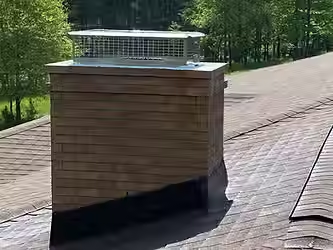
How to Repair Cracked Chimney Crown Damage
Updated: Oct 13
A chimney crown may be only a few inches thick, but it does one of the biggest jobs on the entire chimney: keeping rain out of the masonry below. When you need to repair cracked chimney crown damage, waiting can turn a small top-of-chimney problem into loose bricks, interior water stains, failing mortar joints, and expensive structural work.
In South Carolina, heavy rain, summer heat, humidity, and occasional freezing temperatures all take a toll on exposed masonry. A proper repair is not just about covering a visible crack. It means finding out why the crown failed, correcting the damaged material, and making sure water sheds away from the chimney instead of soaking into it.
What a Chimney Crown Is Meant to Do
The chimney crown is the concrete or masonry cap at the very top of a brick chimney. It surrounds the flue tile and extends beyond the chimney walls. Its surface should slope outward so water runs off, while its edge should project far enough to direct runoff away from the brickwork.
A well-built crown protects the top courses of brick, mortar joints, flue tile, and chimney interior. When it cracks, rain can work its way into the masonry. That moisture may travel farther than homeowners expect, showing up as crumbling mortar, white mineral staining, rusted fireplace components, damp odors, or leaks near the chimney inside the home.
A crown is different from a chimney cap. The cap sits over the flue opening to help keep out rain, animals, and debris. The crown is the solid surface around that flue. Both matter, but a new cap will not solve a cracked crown underneath it.
Signs You Should Repair a Cracked Chimney Crown Soon
Some crown cracks are easy to see from the ground, especially if a piece has broken away. Others are only found during a chimney inspection. Hairline cracks can be early warning signs, but wider cracks, missing sections, and soft or crumbling concrete call for prompt attention.
Watch for water staining on ceilings or walls near the chimney, loose or spalling bricks near the top, deteriorating mortar, or a flue tile that appears separated from the crown. Rust on the damper or firebox can also point to a water-entry issue higher up in the chimney system.
Do not assume every chimney leak comes from the roof. Flashing, chase covers, caps, brickwork, and crowns can all allow water in. An experienced contractor should inspect the full system before recommending a repair. Fixing the wrong area may leave the leak active and cost more in the long run.
Hairline Cracks vs. a Failing Crown
A small surface crack does not always mean the entire crown must be torn out. If the crown is otherwise solid, properly sloped, and firmly bonded, a professional crown-coat repair may seal and protect it. This approach can be a practical, cost-effective solution when caught early.
However, coating over a severely damaged crown is not a dependable repair. A crown that is broken, deeply cracked, poorly sloped, separating from the flue, or deteriorating through its thickness may need to be removed and rebuilt. The right answer depends on the condition of the concrete and the surrounding chimney masonry, not simply the size of the crack you can see.
How Professionals Repair Cracked Chimney Crown Damage
A lasting repair begins with an up-close inspection. The contractor checks the crown surface, edges, flue tile, chimney cap, brickwork, mortar joints, and flashing. This helps separate a crown problem from other leak sources and identifies damage that may need to be addressed at the same time.
For a sound crown with minor cracking, the damaged area is cleaned and prepared so the repair material can bond properly. Loose concrete, dirt, moss, and failed patch material must come off first. The cracks are then repaired with materials designed for masonry exposure, not ordinary caulk or a quick roof-patching product.
A quality crown-coat system can be applied over the prepared crown to create a continuous, water-shedding surface. It should follow the correct slope and extend to protect the crown edges. The material around the flue also needs proper allowance for movement. Chimney components expand and contract at different rates, and a rigid, poorly detailed joint often cracks again.
When a crown has failed beyond repair, rebuilding is the better investment. The old material is removed, the top of the chimney is evaluated for additional masonry damage, and a new crown is formed and finished with the proper slope and overhang. A rebuilt crown should not sit flat like a concrete lid. Water needs a clear path away from the chimney walls.
At Coles Chimney and Brick Repair LLC, the scope should be explained before work begins, including whether the chimney needs a crown coat, a full crown rebuild, repointing, flashing work, or another leak repair. Homeowners deserve clear information about what is being repaired and why.
Why Chimney Crowns Crack in the First Place
Most crown damage develops over time. Water enters a small opening, then temperature changes cause that moisture to expand and contract. Even in the Upstate, brief freezing weather can widen cracks that started during hot, wet seasons.
Poor construction is another common cause. Some older crowns are made with mortar instead of properly formed concrete, have little or no slope, or do not extend past the chimney face. Without an overhang, water runs down the brick and keeps the top of the chimney wet. A crown that is too thin or has no proper separation around the flue is also more likely to crack.
Tree debris, neglected caps, and years of moisture exposure can speed up deterioration. If the chimney has loose bricks or failing mortar beneath the crown, those repairs should be considered part of the same project. A new crown cannot stabilize masonry that is already moving or breaking apart.
Avoid Short-Term Repairs That Trap Water
Homeowners understandably want to stop a leak quickly. The problem is that many temporary fixes do not last through a season of rain and heat. Smearing mortar over a crack, applying household caulk, or painting the crown without preparing the surface can trap moisture or separate soon after application.
Roof sealants are also not automatically suitable for chimney crowns. They may not bond correctly to masonry, handle movement around the flue, or provide the slope needed to move water away. A patch that looks finished from the ground can still allow water into the chimney behind it.
Safety is another reason not to treat crown repair as a casual weekend job. Chimneys are high, surfaces can be steep or slick, and a close inspection often reveals related damage that cannot be seen from a ladder. Professional repair protects both the chimney and the person working on it.
Protect the Repair After the Work Is Done
Once the crown is repaired, routine attention helps it last. Have the chimney inspected regularly, particularly after a severe storm or if you notice a new leak. Keep a properly fitted chimney cap in place, and address failing mortar joints before water reaches deeper into the structure.
If your fireplace is wood-burning, regular chimney cleaning and inspection also matter. Creosote removal is a fire-safety service, but the inspection portion can reveal water damage, liner concerns, loose components, and masonry changes before they become a larger repair.
Ask your contractor what type of crown repair is being recommended, how the water-shedding slope will be handled, and whether related brick or flashing repairs are needed. For crown-coat work, ask about the available 15-year warranty and what maintenance helps protect that coverage.
When to Schedule an Inspection
Schedule an inspection when you first notice a crack, loose material, water staining, or damaged brick near the top of the chimney. It is usually less expensive to repair a crown while the problem is limited to the top surface than to wait until moisture damages the brickwork, liner area, walls, or framing around the chimney.
A cracked crown is a small visible defect with a large job behind it. Getting a clear diagnosis and a properly built repair gives rain a place to go - away from your chimney and away from your home.


Comments