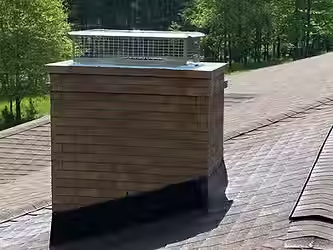
Is a Top Sealing Chimney Damper Worth It?
Updated: Oct 13
A fireplace can feel like an open window when it is not in use. If cold air comes down the flue, conditioned air escapes from the room, or you notice a musty chimney odor after rain, a top sealing chimney damper may be the right upgrade. Unlike the metal damper located above many fireboxes, this unit seals at the top of the chimney, where it can do a better job of stopping outside air and moisture from entering the flue.
For homeowners in Fair Play, Oconee County, and throughout South Carolina, the value is often easy to see during humid summers, cool winter nights, and heavy rain. Still, a top-mounted damper is not a cure for every chimney issue. The chimney crown, flue liner, cap, masonry, and fireplace system all need to be considered before installation.
What a Top Sealing Chimney Damper Does
A top sealing damper sits on top of the chimney flue, usually in the place where a basic rain cap would be installed. It has a gasketed lid that closes tightly and a cable that runs down the flue to a handle mounted inside the firebox. Pull the handle one way to open it before building a fire. Pull it the other way after the fireplace has cooled to close it.
A standard throat damper is located just above the firebox. These dampers are common, but many older ones are warped, rusted, poorly fitted, or unable to close tightly. Even when they appear closed, gaps around the metal plate can allow air movement. A top sealing model closes at the chimney opening, creating a larger dead-air space inside the flue and a tighter seal against drafts.
That difference can help with three common homeowner concerns: unwanted outside air, rain entering the flue, and animals or debris getting into an uncapped chimney. It may also reduce the amount of warm, moist outdoor air that enters a cool chimney during South Carolina summers, which can contribute to damp odors around the fireplace.
When a Top Sealing Chimney Damper Is a Good Investment
This upgrade makes the most sense when the fireplace and chimney are otherwise structurally sound, but the existing damper is worn out or ineffective. It is also a practical choice for a chimney that lacks a proper cap or has an old cap that does little more than keep out large debris.
You may benefit from a top sealing chimney damper if your fireplace has a noticeable cold draft, your heating and cooling system seems to work harder near the hearth, or you see water staining inside the firebox after storms. Homeowners also choose them when birds, squirrels, leaves, or pine needles have made their way into the flue.
The improvement is not always dramatic in every home. A tightly built newer home with an effective throat damper may see less change than an older brick home with a loose or rusted damper. But for many aging masonry chimneys, the top-mounted design provides a much better seal than the original equipment.
A Damper Will Not Fix a Failing Chimney
This is where a professional inspection matters. If rain is coming through cracked mortar joints, a deteriorated chimney crown, missing flashing, damaged brick, or a rusted chase cover, installing a new damper alone will not stop the leak. Water can enter around the outside of the flue and continue damaging the masonry, even with a sealed lid at the top.
The same is true for smoke problems. A damper that does not fully open, an undersized flue, a damaged liner, or an improperly installed fireplace insert can create draft and safety issues that need separate repair. Before a new damper is installed, the flue should be checked for creosote buildup, tile damage, obstructions, and proper clearance.
A top-sealing unit must also be fully open before every wood fire. Burning with the damper closed can send smoke and dangerous gases back into the home. The handle should be easy to reach, clearly understood by everyone using the fireplace, and checked as part of regular chimney service.
Installation Details That Matter
Quality installation is more than setting a cap on the flue. The chimney top needs to be measured correctly, and the installer must select a damper that fits the flue opening and chimney construction. Round, square, rectangular, single-flue, and multi-flue chimneys may require different solutions.
The lid must sit level and close against its gasket evenly. If it is installed on an uneven, cracked, or spalling crown, the mounting can fail over time. In those cases, crown repair or a crown coat may need to come first. A crown that sheds water properly protects the masonry below it and gives the new component a stable base.
Inside the chimney, the cable must be routed so it operates freely without interfering with the flue liner. The handle should be mounted securely in the firebox where it can be used without confusion. A rushed installation can leave a cable that binds, a lid that does not seal, or a handle that is difficult to operate.
At Coles Chimney and Brick Repair LLC, the approach is to look at the complete chimney system before recommending a repair. That includes the damper, cap, crown, liner, masonry, and signs of water intrusion. Homeowners deserve a clear explanation of what is causing the problem, what work is needed now, and what can be planned for later.
Top Sealing Dampers and Fireplace Inserts
A top-mounted damper is generally intended for a traditional open wood-burning fireplace. If you have a wood stove, gas appliance, pellet appliance, or fireplace insert, the venting setup may be different. Many inserts use a dedicated liner and manufacturer-specific termination cap, and adding a separate damper could be unsafe or incompatible.
Never assume an existing damper arrangement is correct just because the fireplace has been used that way for years. Older inserts are sometimes installed without proper liners, correct connections, or adequate clearance. Those conditions can create fire and carbon monoxide concerns that should be corrected before thinking about energy-saving accessories.
If an insert has been removed and the original fireplace is being returned to use, the chimney should be inspected and cleaned before a new damper is installed. This is especially important if the flue has not been used for some time or has been exposed to rain and animals.
Care After Installation
A top sealing damper needs far less attention than many chimney components, but it should not be forgotten. During annual chimney cleaning and inspection, the technician should confirm that the lid opens fully, the gasket is intact, the cable moves smoothly, and the mounting remains secure.
Leaves, soot, and creosote residue can affect operation over time. Severe storms can also damage chimney-top components, particularly on exposed homes. If you notice the handle is difficult to pull, the damper will not stay open, or water appears in the firebox, stop using the fireplace until the chimney can be checked.
Keep the operating handle in a clear position and make opening the damper part of your fire-building routine. Open it first, use properly seasoned firewood, and allow the fire to cool completely before closing it afterward. Good habits protect the chimney, improve fireplace performance, and help avoid preventable service calls.
A fireplace should add comfort to your home, not send heated air up the chimney or leave you wondering where rainwater is coming from. A properly selected and installed top sealing damper can be a smart, durable improvement when it is matched to a sound chimney system. If your fireplace is drafty, damp, or overdue for inspection, have the full system checked before the next burn season and make the repair decision with clear information in hand.


Comments