Choosing a Stone Veneer Repair Contractor
Updated: Oct 13
A loose stone near the front entry may look like a small cosmetic problem, but it can be a sign that water has reached the wall behind it. Once moisture gets behind stone veneer, the damage can spread through mortar joints, sheathing, framing, and nearby masonry. A qualified stone veneer repair contractor does more than put a fallen stone back in place. The job is to find out why the veneer failed and make the repair hold up through South Carolina rain, heat, and seasonal temperature changes.
For homeowners, the goal is straightforward: protect the structure, restore the appearance of the home, and avoid paying twice for a repair that should have been done correctly the first time.
When Stone Veneer Needs Professional Repair
Stone veneer is durable when it is installed and maintained correctly. It is commonly used around foundations, chimneys, fireplaces, columns, retaining walls, steps, and exterior accents. Over time, however, water movement, settling, poor installation, and neglected mortar can weaken the system.
You should have stone veneer evaluated when you see cracking mortar, stones that shift when touched, gaps along the wall, white powdery staining, rust marks, or water entering near a veneer-covered area. A bulging section of veneer deserves prompt attention. It may indicate that the bond has failed over a wider area, even when only a few stones appear loose from the ground.
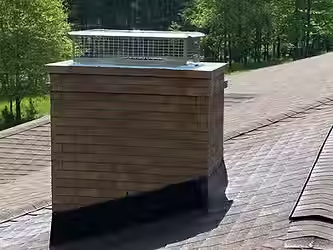
Chimney-related veneer problems also need a careful look. A leaking crown, damaged flashing, missing cap, or worn chase cover can send water down behind stone facing. Repairing the visible stone without correcting the leak leaves the real problem in place.
Water Is Usually the Real Cause
Most veneer repairs begin with a water-management question. Stone itself can handle weather, but the materials behind it must be protected. If flashing, drainage details, mortar joints, or sealant transitions fail, moisture can remain trapped behind the veneer.
That moisture may freeze during cold weather, expand inside small cracks, and loosen mortar. In warmer months, it can contribute to rot, staining, mold concerns, or corrosion of metal components. The longer the issue is left unaddressed, the more likely the repair will extend beyond a small patch.
A dependable contractor should explain whether the issue is limited to surface mortar or whether stones need to be removed so the backing, flashing, and moisture barrier can be inspected.
What a Proper Stone Veneer Repair Includes
There is no one-size-fits-all repair. A small area with a few loose stones may only require careful removal, surface preparation, resetting, and repointing. A failed section near a chimney, wall opening, or roofline can require more detailed work.
A sound repair starts by removing loose material without damaging stable surrounding stone. The contractor should inspect the wall behind the veneer for moisture damage, improper attachment, cracked substrate, or missing flashing. Any damaged backing must be addressed before new mortar and stone are installed.
Matching matters, too. Natural stone varies in color, thickness, texture, and cut. Manufactured stone comes in different profiles and color blends. A good repair aims to make the replacement area blend with the existing work while still prioritizing a secure, durable installation. In some cases, an exact match is no longer available. When that happens, an experienced mason can often use stone from a less noticeable location or select materials that complement the original veneer without creating an obvious patch.
The final mortar work should be neat, properly tooled, and compatible with the existing masonry. Mortar that is too hard, too soft, or poorly mixed can crack early or damage surrounding materials. Clean-up also matters. Mortar smears on stone faces can be difficult to remove once they cure.
Questions to Ask a Stone Veneer Repair Contractor
Before choosing a contractor, ask direct questions about the repair plan. A clear answer is a good sign. You should know what failed, what needs to be removed, what materials will be used, and how the contractor will prevent the same issue from returning.
Ask whether the contractor will inspect for water intrusion behind the veneer. Ask how loose stones will be secured and whether damaged backing or flashing is included in the estimate if it is found. If the veneer is on a chimney, ask whether the crown, flashing, cap, or surrounding brickwork should be evaluated at the same time.
It is also reasonable to ask about licensing, insurance, previous masonry work, estimated schedule, and clean-up. A contractor who gives a vague price without looking closely at the damaged area may be pricing only the visible problem. That can lead to unexpected changes once work has started.
For larger repairs, request that the scope be explained in writing. The estimate does not need to be filled with confusing construction language, but it should identify the main repair areas and the expected work. Clear communication protects the homeowner and helps the crew complete the job efficiently.
Do Not Cover Up Failing Veneer
Caulking over cracks, applying a surface sealer to a wet wall, or adding mortar over loose stones may make damage less visible for a short time. It does not correct failed bonding, deteriorated backing, or active water entry.
Sealers have a place in some masonry projects, but they are not a substitute for repairs. A wall must be evaluated first. If moisture is trapped behind the veneer, the wrong coating can make the condition worse by reducing the wall's ability to dry.
The same is true of paint. Painting stone veneer to hide stains or mismatched repairs may create maintenance problems later, especially if the masonry is already holding moisture. It is better to repair the cause of the staining before deciding whether any finish treatment is appropriate.
Repairs Around Chimneys and Fireplaces Need Extra Attention
Veneer around a chimney or fireplace is not only an exterior appearance issue. Chimney systems face heat, moisture, wind, and movement at roof penetrations. A loose or cracked veneer section may be connected to failing mortar joints, a damaged chimney crown, improper flashing, or water running into the structure.
If an interior fireplace surround has loose stone, the repair should also consider heat exposure and fire safety. Materials and clearances must be appropriate for the fireplace or insert being used. Older fireplaces sometimes have additional concerns, including missing liners, unsafe inserts, deteriorated fireboxes, or damaged dampers.
This is where a contractor with both masonry and chimney experience brings real value. Rather than treating each issue as separate, the work can be planned around the entire system. Coles Chimney and Brick Repair LLC evaluates the condition of the masonry, identifies leak and safety concerns, and explains the work before repairs begin.
Why Experience and Timing Matter
Stone veneer repair is skilled masonry work. The finished surface may look simple, but the work behind the stone determines whether it lasts. Proper preparation, material selection, moisture control, and careful mortar work all affect the result.
Waiting can turn a manageable repair into a larger project. A small gap near a window, chimney, or exterior corner can allow repeated water entry. By the time staining or interior damage appears, the repair may involve more than veneer alone.
That does not mean every crack requires a full wall replacement. Many problems can be handled with targeted repairs when they are caught early. The right approach depends on the age of the veneer, the extent of movement, the condition behind the stone, and the source of the moisture.
Get a Clear Plan Before Work Begins
A reliable repair should leave you with more than a better-looking wall. You should understand what caused the damage, what was repaired behind the stone, and what maintenance items to watch in the future. Keep an eye on mortar joints, flashing areas, chimney crowns, and places where different materials meet. Those transitions are common points for water entry.
If stones are loose, mortar is cracking, or water is showing up near a veneer-covered wall, do not wait for more material to fail. A careful inspection and a clear repair plan can protect your home, preserve its appearance, and keep a small masonry concern from becoming a larger structural expense.


Comments