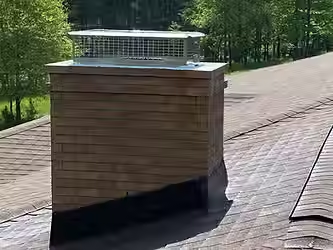
Creosote Removal Chimney Cleaning for Safer Fires
Updated: Oct 13
A wood fire can leave behind more than ash in the firebox. Each time smoke travels up a cooler chimney, it can deposit creosote on the flue walls. Creosote removal chimney cleaning is the work of removing that combustible buildup before it becomes a chimney-fire hazard or hides a larger problem inside the system.
For homeowners in Fair Play, Oconee County, and surrounding South Carolina communities, this is not a job to put off until smoke starts backing into the room. A chimney can look fine from the hearth while its liner, damper, crown, or masonry is already showing signs of trouble. Regular cleaning paired with a proper inspection gives you a clear picture of what is happening where you cannot see it.
What Creosote Is and Why It Creates Risk
Creosote is a residue produced when wood smoke cools and condenses inside a chimney. It may begin as a light, dry soot that brushes away fairly easily. With continued burning, especially in a cool or restricted flue, it can become thicker, tar-like, or hard and glazed.
The danger is simple: creosote is flammable. If enough buildup ignites, a chimney fire can send extreme heat through the flue system. That heat can damage a clay tile liner, metal liner, mortar joints, the chimney crown, and nearby framing. Some chimney fires are loud and obvious, but others burn briefly or go unnoticed. Either way, they can leave damage that makes the chimney unsafe to use until it has been inspected and repaired.
Creosote also affects performance. A narrowed flue does not draft as well, which can contribute to smoky starts, unpleasant odors, and more residue returning into the living space. Cleaning is about fire prevention, but it is also about helping the fireplace or stove vent the way it should.
When Creosote Removal Chimney Cleaning Is Needed
Most wood-burning chimneys should be inspected at least once a year and cleaned when the inspection shows a meaningful level of creosote or other obstruction. The right schedule depends on how often you burn, what type of wood you use, the chimney's design, and the condition of the liner.
A household that enjoys a few weekend fires may not need the same cleaning frequency as a home that heats with wood throughout the season. A newer insulated liner may draft differently than an older masonry flue. There is no responsible one-size-fits-all answer, which is why a hands-on inspection matters.
Call for service sooner if you notice strong smoky or tar-like odors, black flakes in the firebox, poor draft, smoke entering the room, a damper that will not operate properly, or residue falling from the flue. A sudden change in how the fireplace burns deserves attention. Do not keep using it and hope the next fire will clear the problem.
Burning unseasoned wood is another common cause of fast creosote accumulation. Wet wood spends energy boiling off moisture instead of burning hot and clean. Smoldering fires, restricted air supply, and long periods of low-temperature burning can create the same issue. Seasoned firewood and proper burning practices help, but they do not replace chimney cleaning.
Cleaning Is Also an Opportunity to Find Damage
A proper chimney appointment should not stop at brushing the flue. The chimney needs to be evaluated as a complete system, from the firebox and damper to the liner and exterior masonry.
During service, a technician may find cracked flue tiles, a deteriorated liner, a damaged or missing cap, an unsafe fireplace insert connection, or a blocked passage caused by debris or nesting material. On the exterior, there may be loose brick, failing mortar joints, a cracked crown, or a chase cover that is allowing water into the structure.
Water is especially hard on chimneys. Once moisture gets into mortar joints or behind brick, freezing temperatures, rust, and ongoing movement can turn a small repair into a larger masonry project. Cleaning and inspection provide a practical chance to catch those concerns before the next burn season.
At Coles Chimney and Brick Repair LLC, the goal is to explain what is found in plain language, discuss the repair options before work begins, and keep the property owner informed throughout the job. If the chimney only needs cleaning, that should be clear. If cleaning reveals a safety issue, the scope and cost of repair should be discussed directly rather than covered up with a quick fix.
Why DIY Cleaning Has Limits
Homeowners can remove loose ash from the firebox and keep the hearth area clean. That regular care is helpful. Full flue cleaning, however, is different work.
Creosote may be high in the chimney, behind a damper, inside an offset flue, or attached to a liner in a way that requires the right brushes, rods, containment equipment, and cleaning methods. Hard, glazed creosote can require more than standard brushing. Trying to scrape it without the right tools can damage a liner or leave hazardous deposits behind.
There is also the issue of diagnosis. A homeowner may see black residue but not recognize a cracked tile, a loose liner connection, deteriorated crown coat, or a draft problem caused by an improperly installed insert. A professional cleaning is valuable because it combines removal work with an experienced look at the system's condition.
This does not mean every chimney needs major work. It means the decision should be based on what is actually present, not guesswork. Clear findings and fair pricing are better than paying for services that are not needed or ignoring repairs that are.
What a Professional Cleaning Visit Should Look Like
A clean, organized service process protects both the home and the chimney. The work area should be prepared to control dust and soot. The chimney is then cleaned using methods suited to the flue type and the amount of buildup present, with attention given to the smoke chamber, damper area, and accessible portions of the system.
After the cleaning, the technician should review the condition of the flue and point out concerns that may affect safe operation. That could include recommending liner work, damper replacement, crown repair, repointing, a new chase cover, or leak remediation. It could also mean confirming that the chimney is in serviceable condition and ready for the season.
The best outcome is not simply a cleaner chimney. It is a homeowner who understands whether the fireplace can be used safely, what maintenance is due next, and which repairs should be handled before another fire is lit.
Habits That Help Keep Creosote Under Control
The way you use your fireplace has a real effect on how quickly residue builds up. Burn dry, seasoned firewood rather than green or damp wood. Start fires with proper kindling and allow them to burn hot enough to establish good draft instead of letting them smolder for long periods.
Avoid treating the fireplace as a place to burn household trash, cardboard packaging, treated lumber, painted wood, or construction scraps. These materials can create harmful fumes, excessive residue, and damage to the chimney system. Use the right fuel for the appliance or fireplace you have.
Keep the chimney cap in good condition as well. A sound cap helps keep out rain, leaves, and animals that can block the flue. If water is entering through a cracked crown, damaged flashing, or failing masonry, address it promptly. A dry chimney generally lasts longer and performs better than one that has been exposed to repeated moisture intrusion.
Do Not Wait for a Warning Sign
The safest time to schedule chimney service is before the fireplace becomes part of your weekly routine. Waiting until the first cold stretch can mean longer scheduling times and less room to address repairs before you need heat or want to use the fireplace for family gatherings.
If your chimney has not been inspected in the past year, if you have recently moved into a home with a wood-burning fireplace, or if the system is producing smoke or unusual odors, arrange for a professional evaluation. A clean flue, sound liner, working damper, and dry masonry give you far more confidence when the next fire is lit.


Comments