Guide to Brick Efflorescence Removal at Home
Updated: Oct 13
That chalky white coating on your brick is usually not paint failure or permanent staining. It is most often efflorescence, and this guide to brick efflorescence removal starts with the part many homeowners miss: cleaning the brick is only a short-term fix if moisture is still getting into the wall, chimney, steps, or columns.
Efflorescence is common on masonry in South Carolina, especially after heavy rain, humid weather, or a period of new construction. It can make a well-kept home look neglected, but it can also point to a leaking chimney crown, failed mortar joints, poor drainage, or another moisture problem that deserves attention before the brick begins to deteriorate.
What Brick Efflorescence Is Telling You
Brick, mortar, concrete, and the soil around a home all contain naturally occurring salts. When water enters masonry, it dissolves some of those salts. As the water moves to the surface and evaporates, it leaves behind a white, powdery mineral deposit.
The deposit itself is usually not dangerous to the brick. The water movement that created it is the real concern. Repeated saturation and drying can weaken mortar joints, cause spalling where brick faces flake away, rust embedded metal, and create leaks around chimneys and walls.
Efflorescence is typically dry, powdery, and easy to smear with a finger. It may appear on a chimney below the roofline, across brick steps, on a retaining wall, or near the bottom of an exterior wall. If the material is hard, crusty, green, black, or growing in damp areas, it may be something else, such as mineral scale, mold, mildew, or algae. Those conditions call for a closer inspection before choosing a cleaner.
Guide to Brick Efflorescence Removal: Start Dry
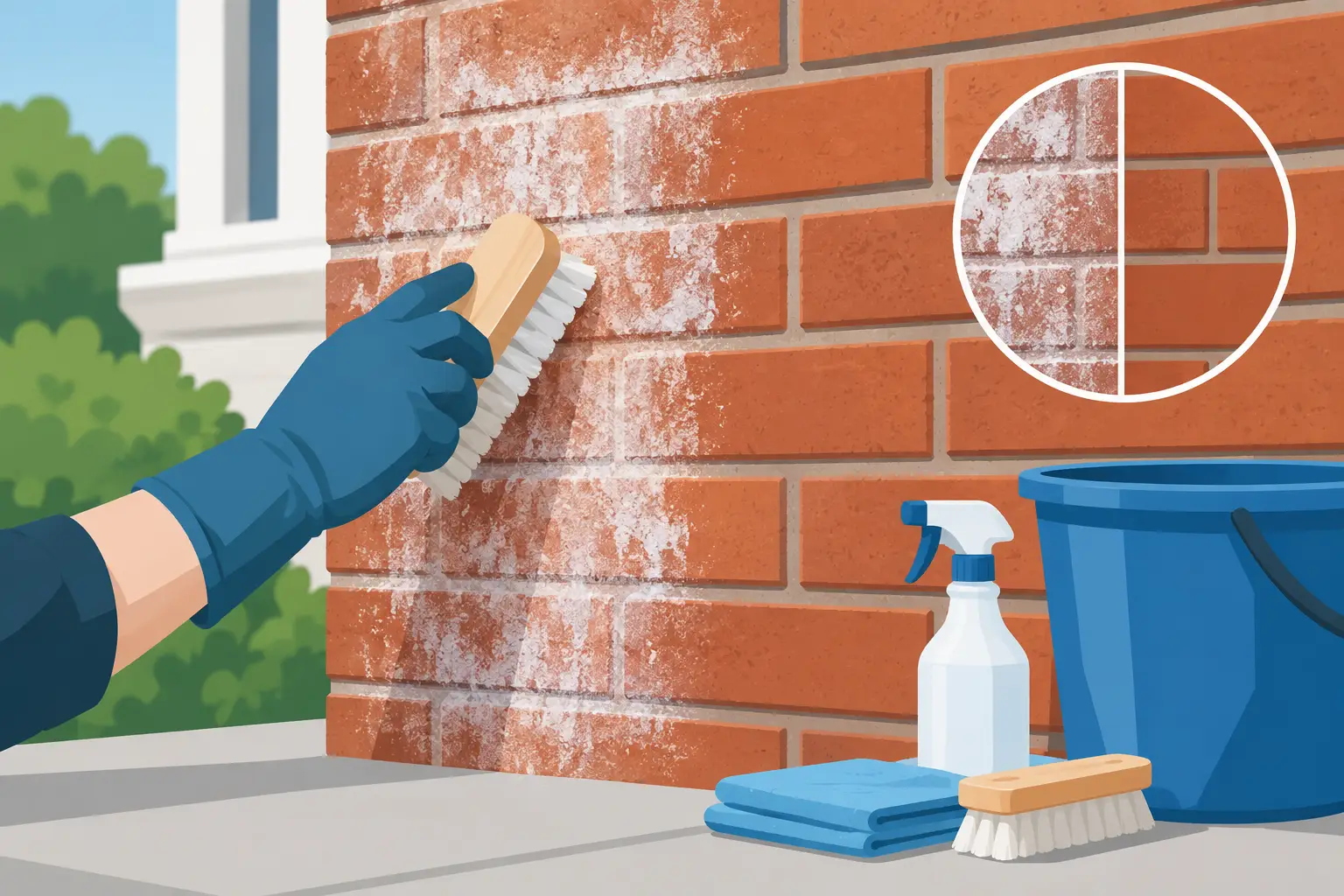
The safest first step is simple. Let the brick dry thoroughly, then remove loose deposits with a dry, stiff nylon brush. A natural-bristle brush also works well. Brush from top to bottom so the residue does not settle back onto cleaned areas.
For light efflorescence, dry brushing may be all that is needed. Follow with a low-pressure rinse using clean water, then allow the surface to dry again. Do not soak the wall. The goal is to remove surface salts without pushing more water into the masonry.
Avoid using a wire brush on brick and mortar. It can scratch the brick face and damage aging mortar joints. A pressure washer is also a poor first choice. High pressure can drive water deeper into cracks and joints, strip softer mortar, and damage older or already weakened brick. This is especially risky on chimneys, historic homes, brick steps, and walls with visible mortar deterioration.
If white residue remains after dry brushing and a gentle rinse, use a masonry cleaner made specifically for efflorescence and follow its instructions closely. Test it on a small, less visible area first. Different brick colors, mortar types, and ages can react differently to cleaners.
Strong acids are not a general-purpose answer. Acid cleaning can etch brick, discolor mortar, harm nearby landscaping, and create a bigger repair issue than the original white stain. It may have a place in limited, professionally controlled situations, but it should not be the first product a homeowner reaches for.
Find the Moisture Source Before It Returns
Efflorescence that appears once on newer brickwork may fade as the masonry dries through its normal curing process. Efflorescence that keeps coming back after cleaning is different. That is a sign to look for a continuing water source.
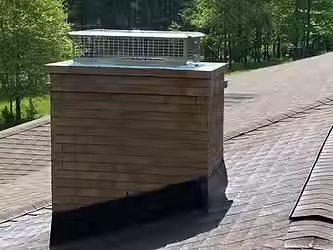
Around a chimney, inspect the crown, flashing, chase cover, cap, and mortar joints. A cracked crown or open mortar joint can let rain enter the chimney structure, where it travels through the masonry and carries salts outward. White staining below the chimney crown, on upper courses of brick, or inside an attic near the chimney should not be ignored.
At ground level, look at drainage. Downspouts that empty near brick walls, soil piled above the brick line, sprinkler heads aimed at the house, and hardscape that slopes toward the foundation can keep masonry wet. Brick steps and columns are also vulnerable when cracks allow water into the structure and there is no clear route for it to drain.
For a wall that has been painted or sealed, peeling paint, bubbling coatings, or damp patches may mean moisture is trapped behind a finish. A waterproof coating applied over an active leak can hide the symptom temporarily while the masonry continues to deteriorate underneath. Masonry needs the right balance: it must resist bulk water while still being able to release normal moisture vapor.
When Cleaning Is Enough and When Repair Is Needed
A light layer of white powder on sound brick after a rainy season is often a maintenance issue. Clean it carefully, improve drainage if needed, and watch the area through the next few rain events.
Professional repair becomes the better choice when efflorescence appears with crumbling mortar, cracked brick, flaking brick faces, loose steps, interior water stains, or repeated chimney leaks. Those are not just cosmetic concerns. They can allow more water into the masonry system and turn a manageable repair into a larger rebuild.
Repointing may be needed when mortar joints have become soft, open, or recessed. This process removes failed mortar to the proper depth and installs new mortar that matches the needs of the existing brick. It is not the same as simply smearing new mortar over the face of a joint, which often fails quickly and can trap moisture.
A chimney may need crown repair, flashing work, replacement of damaged brick, or a new chase cover, depending on its construction. The correct repair depends on where water is entering and how far the damage has spread. A careful inspection should identify the source first, then explain the repair scope and cost before work begins.
Protect Brick After the Repair
Once the moisture issue is corrected and the masonry has had time to dry, regular observation does more good than aggressive cleaning. Check brickwork after major storms. Keep gutters clean, direct downspouts away from walls, and keep mulch and soil below the brick line where possible.
Do not apply a sealer simply because efflorescence appeared. Some masonry sealers can be useful when selected for the right material and condition, but the wrong product can trap moisture. Any protective treatment should be breathable and should only be considered after leaks, drainage problems, and failed mortar have been addressed.
Newly repaired mortar also needs proper curing time. Rushing to clean, paint, or seal a repaired area can interfere with that process. A dependable masonry contractor will explain what was repaired, how long it should cure, and what maintenance will help it last.
A Clear Plan Saves the Brickwork
Efflorescence is often the first visible warning that water is moving where it should not. Catching it early can mean a simple cleaning and drainage adjustment. Waiting until brick faces break apart or mortar falls out can mean a much more involved repair.
If white deposits keep returning, or if you see signs of leaks and deteriorating mortar, have the masonry inspected by an experienced professional. Coles Chimney and Brick Repair LLC can help identify the moisture source, explain the work clearly, and complete the repair with the same care your home deserves.


Comments