How to Inspect Brick Foundation Walls Safely
Updated: Oct 13
A brick foundation can look solid from the yard while moisture, failing mortar, or wall movement is already working behind the surface. Knowing how to inspect brick foundation walls gives a homeowner a better chance to catch small problems before they turn into loose brick, water damage, or a costly structural repair.
A careful inspection does not mean climbing on walls, digging beside the house, or trying to diagnose every crack yourself. It means looking for clear changes, understanding which signs need prompt attention, and calling an experienced masonry contractor when the condition is questionable. In South Carolina, heavy rain, humid conditions, poor drainage, and older mortar can all put added stress on masonry foundations.
Start With a Safe, Consistent Walk-Around
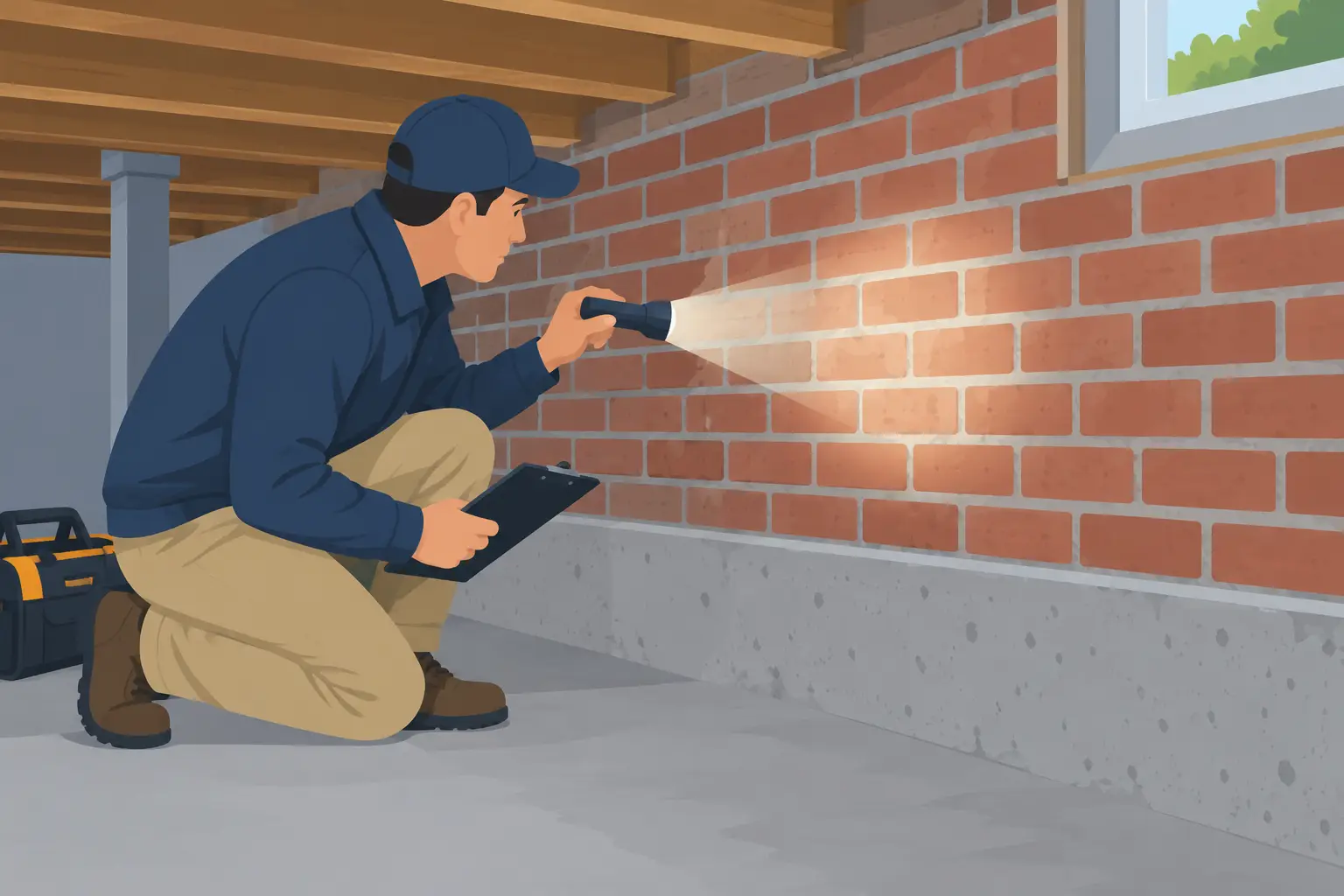
Choose a dry day with good daylight. Walk slowly around the entire exterior of the home, keeping a few feet back at first so you can see whether the foundation wall looks straight and even. Then move closer to inspect the brick and mortar joints. Take photos as you go, especially of any cracks, stains, or areas that look different from the rest of the wall.
Bring a flashlight, a tape measure, a small ruler, and a notebook or phone for photos. A flashlight helps you inspect shaded sides of the home, crawlspace vents, and tight areas near steps or landscaping. Do not probe loose mortar with a screwdriver or remove bricks to see what is behind them. If masonry is already unstable, hands-on testing can make it worse.
Look at the foundation from more than one angle. A wall can appear straight head-on but show bowing or a noticeable bulge when viewed along its length. Check where brick meets concrete, siding, porches, steps, chimneys, and additions. These transition areas often reveal movement first.
Check the Brick for Cracks, Movement, and Damage
Not every crack means the foundation is failing. Brick and mortar can develop minor surface cracking with age, and a thin crack in mortar may only require repointing. The pattern, location, and whether the crack is growing matter more than the fact that a crack exists.
Hairline cracks limited to a mortar joint should still be documented and watched. A stepped crack that follows the mortar joints diagonally, however, can point to uneven settlement or movement. Vertical cracks may be caused by settlement, while horizontal cracking, bowing, or a bulging section can indicate pressure against the wall. These conditions deserve a professional assessment rather than a wait-and-see approach.
Pay close attention to bricks that are loose, broken, flaking, or pushed out of line with surrounding brick. Surface flaking is called spalling. It can occur when brick stays wet, absorbs water, and then deteriorates over time. Soft or crumbling brick is not just a cosmetic issue. Once the outer face breaks down, the brick may no longer protect the wall as intended.
Measure any visible crack at its widest point and photograph it with the ruler in place. Recheck it after periods of heavy rain or every few months. A crack that widens, lengthens, or returns after repair should not be ignored.
Watch for Signs of Poor Past Repairs
New mortar that is much harder than the original material, patches that do not match the joint profile, or caulk packed into open joints may hide an unresolved problem. Mortar should support and protect the brick, not trap moisture against it. A proper repointing repair removes deteriorated mortar to the correct depth and installs compatible new mortar with clean, tooled joints.
Painted brick can also make inspection more difficult because paint may cover staining, patch repairs, and early deterioration. Look for peeling paint, bubbling, or white residue at the base of the wall. These signs often point to moisture moving through the masonry.
Look for Water Where It Does Not Belong
Water is one of the most common causes of foundation masonry damage. During your inspection, look for dark staining, green algae, moss, white powdery deposits, or damp soil that stays wet near the foundation. The white residue, called efflorescence, forms when moisture carries salts through masonry and leaves them behind as the wall dries.
Check the grade around the house. Soil, mulch, and gravel should slope away from the foundation so rainwater does not collect against the brick. Mulch piled too high can hold moisture against the wall and conceal deteriorating mortar. As a general rule, keep soil and mulch below weep holes, vents, and the lowest visible brick courses.
Also inspect gutters, downspouts, and roof runoff. A leaking gutter or short downspout can soak one section of foundation every time it rains. Water pouring beside a corner of the home can soften soil, contribute to settlement, and stain or damage brick over time. Extending downspouts away from the house may be a simple improvement, but it will not correct masonry that has already shifted or deteriorated.
Inside the home, check the lowest level or crawlspace for musty odors, damp insulation, water stains, mold growth, or visible moisture on the inside face of the wall. A foundation issue can start outside and show up indoors long before a homeowner notices a major crack.
Inspect Mortar Joints Closely
Mortar is often the first part of a brick foundation to wear out. It can become recessed, sandy, cracked, or missing after years of weather exposure. When mortar joints are open, water can enter the wall, weaken surrounding brick, and create a path for insects and drafts.
Look for joints that have eroded deeper than the brick face, especially near the bottom of the wall, beneath hose bibs, below roof valleys, and around downspout discharge points. Mortar that turns to powder when lightly brushed, falls out on its own, or leaves bricks unsupported needs attention.
Repointing can be an effective repair when the brick remains sound and the issue is limited to deteriorated joints. It is not a cure for a wall that is actively bowing, settling, or separating from the home. The repair plan has to address the source of movement or moisture first.
Check Doors, Windows, Steps, and Chimneys
Foundation movement often affects more than one area. During your inspection, notice whether exterior doors or windows have begun to stick, gaps have opened around trim, or floors inside feel uneven. These signs do not prove a foundation failure by themselves, but they provide useful context when they appear alongside masonry cracking.
Brick steps and porch columns deserve a close look as well. Cracks where steps pull away from the house, settling at the base, or loose bricks on a landing can create a trip hazard. A leaning or cracked brick column should be evaluated before it carries more weight or becomes unstable.
If the home has a masonry chimney, inspect the lower brickwork where the chimney meets the house and where it rises from the foundation. A chimney that is separating, leaning, or showing stepped cracks is a safety concern. Chimneys are heavy, and their repairs should be handled by a qualified masonry and chimney professional.
Know When to Call a Professional Right Away
Some foundation concerns should not wait for your next home project. Contact a licensed and insured masonry contractor promptly if you see a horizontal crack, bowed wall, loose or falling brick, a widening stepped crack, significant water intrusion, or a chimney pulling away from the structure.
You should also call for an assessment when a crack is accompanied by doors that suddenly will not close, new interior wall cracks, sinking steps, or a noticeable change after a storm. A professional can determine whether the issue is limited to mortar repair, drainage correction, brick replacement, structural stabilization, or whether another trade should be involved.
Do not cover active cracks with paint, mortar, or landscaping before the condition is documented. That can hide the pattern and make an accurate evaluation more difficult. Clear photos, measurements, and notes about when you first noticed the issue help establish whether the damage is changing.
Keep a Simple Inspection Record
A foundation inspection is most useful when you can compare today’s condition with what you saw last season. Save photos by date and label the side of the house. Note crack widths, wet areas after rain, and any repair work completed. For an older brick home, an annual exterior check and a second look after major storms is a practical routine.
Brick masonry can last for generations when water is managed and repairs are completed correctly. If your inspection raises concerns, Coles Chimney and Brick Repair LLC can explain what the masonry is showing, discuss the repair scope before work begins, and help protect the safety and appearance of your home.


Comments