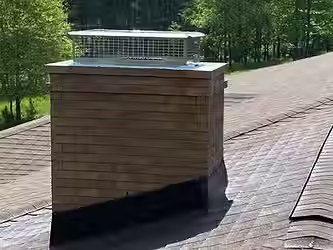
How to Test Fireplace Draft Before Lighting a Fire
Updated: Oct 13
A fireplace can look clean and sound, yet still send smoke into the room when the first fire of the season is lit. That usually comes down to draft: the upward pull that carries smoke, heat, and combustion gases through the chimney. Knowing how to test fireplace draft before building a full fire can help you catch a cold flue, a closed damper, or a more serious chimney problem before your living room fills with smoke.
A basic draft check takes only a few minutes. It is not a replacement for a professional chimney inspection, especially if the fireplace has smoked repeatedly, has not been cleaned recently, or shows signs of water damage or masonry deterioration.
What Fireplace Draft Does
A wood-burning fireplace works because warm air rises. Once the flue is warm, the chimney creates negative pressure that pulls smoke from the firebox, up through the smoke chamber and flue, and out above the roofline. A tall, properly sized chimney generally drafts better than a short or cold one, but every system needs an open path and the right conditions to work safely.
Draft can be affected by a closed or damaged damper, creosote buildup, a bird nest, a blocked chimney cap, a cracked flue liner, or an improperly installed fireplace insert. House pressure matters too. A tight home, kitchen exhaust fan, bathroom fan, clothes dryer, or HVAC system can pull air away from the fireplace and make smoke spill back into the room.
Occasional trouble starting a fire on a cold day is one thing. Ongoing smoke problems, a strong odor, or soot around the fireplace opening are signs to stop using the fireplace until the cause is identified.
How to Test Fireplace Draft With Smoke
The safest homeowner test uses a small, controlled source of smoke. Do this only with the fireplace completely cool and clear of ash or loose debris. Keep children, pets, curtains, and combustible materials away from the hearth.
First, open the damper fully. Look up from inside the firebox with a flashlight if visibility allows. You should be able to see that the damper blade is open, but do not reach into the flue or attempt to dislodge anything overhead. If the damper will not open fully, feels loose, or is heavily rusted, do not force it.
Next, turn off exhaust fans near the fireplace. Open a nearby window about an inch. This gives the fireplace an easy source of replacement air and helps reveal whether the home is under negative pressure.
Light a smoke source such as a fireplace draft-testing stick or a small piece of tightly rolled newspaper held in a metal pan. Let it produce smoke, then hold it near the top of the firebox, just below the damper. Do not use large amounts of paper, lighter fluid, gasoline, or any accelerant.
Watch where the smoke travels. Good draft pulls the smoke upward and into the flue quickly. A little hesitation is common when the chimney is cold, but the smoke should begin moving up rather than rolling into the room.
If the smoke comes toward you, hangs in the firebox, or pushes out through the fireplace opening, the chimney is not drafting correctly. Extinguish the test material safely, ventilate the room, and do not build a full fire until you understand why the draft failed.
Test Again After Warming a Cold Flue
A cold chimney can be filled with cold, heavy air that blocks the upward flow of smoke. This is common at the beginning of the heating season and during damp or mild weather. If the first smoke test fails but there is no known damage or blockage, carefully warm the flue before testing again.
Place a small amount of dry kindling or a fire starter in the back of the firebox, close to the damper, and light it in a safe metal container or on the fireplace grate. The goal is to create a small amount of heat near the flue opening, not to start a large fire. After a minute or two, repeat the smoke test.
If the smoke now rises steadily, the issue may simply be a cold flue. Build your fire gradually with dry, seasoned firewood. Starting with a large load of wood can create more smoke than a cold chimney can handle.
If the smoke still spills into the room after warming the flue, stop there. A cold flue is no longer the likely explanation.
Signs Your Chimney Has a Draft Problem
Smoke entering the room is the most obvious sign, but it is not the only one. Pay attention to what the fireplace has been telling you between fires. A persistent smoky smell, black soot staining above the firebox, or a fire that struggles even with dry wood can point to restricted airflow.
Other warning signs include a damper that does not operate properly, pieces of flue tile or masonry in the firebox, water stains near the chimney, rust on the damper or firebox, and excessive creosote. A chimney leak can damage the crown, liner, damper, and masonry over time. What begins as a draft issue may also be a water-intrusion issue.
Outside conditions matter as well. Wind blowing across the roofline can cause downdrafts in certain chimney locations. Nearby trees, roof additions, or a chimney that is too short above the roof can interfere with airflow. These conditions often require a professional evaluation because adding a cap alone does not solve every downdraft problem.
Check the Easy Causes Before Calling for Service
Before assuming the chimney needs a major repair, confirm that the damper is fully open and the chimney cap is not visibly clogged with leaves or nesting material. Use only dry, seasoned firewood. Wet wood produces heavy smoke, wastes heat, and builds creosote faster.
Also consider house pressure. If opening a nearby window improves the draft, your home may be too tight or an exhaust appliance may be competing with the fireplace for air. Avoid running powerful kitchen hoods, bathroom fans, and dryers while starting a wood fire. A professional can help determine whether the fireplace needs an outside-air solution or whether another issue inside the chimney is causing the problem.
Do not climb on the roof to inspect a cap, crown, or flue tile unless you are trained and equipped for that work. Roof access, unstable masonry, and hidden chimney damage create real safety risks.
When a Professional Chimney Inspection Is the Right Next Step
A failed smoke test is a good reason to schedule an inspection, particularly if the fireplace has been unused for a long time. Chimneys can be blocked by nests, leaves, broken tile, falling mortar, or creosote deposits that cannot be seen from the firebox. Older masonry chimneys may also have damaged or missing liners that affect both draft and fire safety.
A qualified chimney professional can inspect the flue, smoke chamber, damper, cap, crown, and visible masonry. They can identify whether cleaning, repointing, liner work, damper replacement, crown repair, or a chimney-height correction is needed. This is especially important after a chimney fire, storm damage, a leak, or installation of a new fireplace insert.
Coles Chimney and Brick Repair LLC helps South Carolina homeowners address the source of chimney problems, not just the visible symptom. Clear communication about the condition of the chimney and the repair options helps homeowners make a safe decision before burning season begins.
Keep Draft Problems From Returning
Have wood-burning chimneys cleaned and inspected on a regular schedule based on use and condition. Burn seasoned wood, keep the cap in good shape, and address leaks promptly before moisture damages the crown, mortar joints, liner, or damper. Make sure working smoke alarms and carbon monoxide alarms are installed in the home, with batteries checked regularly.
A fireplace should add comfort to your home, not leave you wondering whether smoke or carbon monoxide is coming back inside. If a quick draft test shows smoke moving the wrong direction, treat that result as useful information and give the chimney the attention it needs before the next fire.


Comments