Can Cracked Bricks Be Repaired? What to Know
Updated: Oct 13
A single cracked brick near a chimney, front step, or exterior wall can be easy to dismiss. But masonry rarely cracks without a reason. Homeowners often ask, can cracked bricks be repaired, and the answer is usually yes - provided the cause of the crack is identified and corrected before the damage spreads.
Some cracks are limited to a few aging bricks and can be repaired by removing and replacing those units. Others point to moisture intrusion, failing mortar, settlement, rusting steel, or chimney movement. The right repair protects more than the appearance of your home. It helps keep water out, prevents loose masonry, and may stop a small repair from becoming a larger structural project.
When Can Cracked Bricks Be Repaired?
Most cracked brick can be repaired, but “repair” does not always mean filling a crack with mortar. Brick and mortar work as a system. If the brick is damaged but the surrounding wall is stable, a mason can carefully remove the affected brick, clean the opening, and install a matching replacement brick with the proper mortar joint.
This is often the best approach when only a few bricks have cracked because of impact, age, minor water damage, or normal wear. A proper replacement restores the face of the wall and keeps water from entering through the damaged area.
If the mortar between bricks is deteriorating, repointing may be needed at the same time. Repointing involves removing loose or failed mortar to the appropriate depth and installing fresh mortar joints. It is not just cosmetic work. Sound mortar keeps bricks supported, helps manage moisture, and reduces the chance of individual bricks becoming loose.
The key question is not simply whether the brick is cracked. It is whether the masonry is still stable and why the crack formed.
What Different Brick Cracks Can Mean
A thin crack in one brick may be isolated. A stair-step crack that follows mortar joints across a wall deserves closer attention. Cracks around a chimney, fireplace opening, brick column, or foundation area should also be inspected promptly because those locations can carry significant weight or allow water into the structure.
Vertical cracks can develop when materials expand and contract differently or when a section of masonry shifts. Horizontal cracking may indicate pressure from water, soil, corroding metal, or movement behind the brick. Spalling - when the brick face flakes, chips, or breaks apart - commonly points to moisture entering the brick and freezing during cold weather.
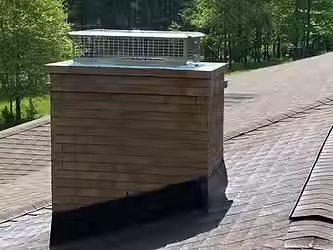
On a chimney, cracked bricks often appear with other concerns: open mortar joints, a cracked crown, a missing or damaged chase cover, staining, loose flashing, or water inside the firebox. Treating only the visible brick while leaving the leak in place invites the same problem to return.
A qualified masonry inspection looks at the full area, not just the most noticeable crack. That includes the condition of nearby mortar, the chimney crown or cap, roof flashing, drainage, and any signs that the wall or chimney is leaning.
Repair or Replacement: How the Decision Is Made
There is no one-size-fits-all answer. A small number of cracked bricks can often be replaced without disturbing the rest of the wall. The mason cuts or removes the damaged brick carefully, avoids breaking adjacent units, prepares the opening, and sets a replacement brick in compatible mortar.
When many bricks are cracked, loose, or spalled, a larger rebuild may be more dependable than repeated spot repairs. This is especially true on chimney stacks above the roofline. Those bricks take constant weather exposure, and a deteriorated stack can become unstable if repairs are delayed.
Matching matters, too. Older brick may have a size, color, texture, and hardness that differs from modern material. A professional will work to select a replacement that blends with the existing masonry and use mortar suited to the brick. Mortar that is too hard can cause problems with softer, older brick because moisture may be forced through the brick instead of the joint.
For homeowners, the practical choice comes down to safety, long-term performance, and cost. Replacing one failed brick may be economical today. Rebuilding a damaged section may be the better value if multiple repairs would only postpone a larger failure.
Fix the Water Problem Before It Damages More Brick
Water is one of masonry’s most common enemies. Brick is durable, but it is not waterproof. When water enters through cracked mortar, an open crown, failed flashing, or damaged cap, it can saturate the masonry. In colder conditions, that trapped moisture expands as it freezes, causing brick faces to pop off and cracks to widen.
Chimneys are particularly vulnerable because they are exposed on all sides and extend above the roof. A cracked chimney crown can send water directly into the brickwork below it. Missing caps or damaged chase covers allow rain into areas where it does not belong. Open mortar joints provide another path for moisture.
A lasting chimney repair may include brick replacement and repointing along with crown repair, a crown coat, flashing repair, or a new chase cover. Coles Chimney and Brick Repair LLC approaches these issues by identifying the entry point first, then repairing the damaged masonry with the goal of stopping repeat water damage.
Good drainage matters around brick steps, columns, retaining features, and foundation walls as well. Downspouts that discharge beside masonry, standing water, and poor grading can all contribute to cracking and deterioration over time.
Signs You Should Not Wait on a Masonry Repair
Some brick damage can be scheduled before it becomes worse. Other conditions need prompt attention, particularly when they involve a chimney or a raised masonry feature. Contact a masonry professional soon if you notice:
Bricks that are loose, shifting, bulging, or falling from a wall or chimney
A chimney that appears to lean, separate from the house, or show widening cracks
Stair-step cracks spreading across a brick wall
Crumbling mortar joints combined with cracked or spalling bricks
Water stains, dampness, or white mineral deposits on interior or exterior masonry
Cracks around the fireplace opening, chimney stack, or brick columns
Loose chimney brick is more than a curb-appeal issue. It can fall onto the roof, driveway, or areas where people walk. If damage is near a wood-burning fireplace, the masonry should also be evaluated for fire safety. A compromised chimney structure, liner issue, or water-damaged firebox should not be ignored.
Why Surface Patches Often Fail
It is tempting to fill a crack with caulk, paint over it, or press fresh mortar onto the face of the wall. These temporary patches may hide the problem, but they usually do not address the cause. They can also trap moisture or make a proper repair more difficult later.
Mortar should not be smeared across the face of brick to cover cracks. The repair needs clean, properly prepared joints and sound material beneath it. If a brick is fractured through its body, replacement is generally more durable than trying to disguise the crack.
Paint can create another issue on older brick by reducing its ability to release moisture. Before applying coatings or sealers, homeowners should understand why the brick is cracking and whether the masonry needs repair first. The goal is to allow the wall to perform as intended, not seal in an active moisture problem.
What a Professional Brick Repair Visit Should Include
A dependable repair starts with a clear look at the scope of damage. The contractor should inspect the cracked area, nearby mortar, moisture paths, and any structural concerns. For chimney work, the inspection should also consider the crown, cap or chase cover, flashing, firebox, and visible upper sections of the stack.
From there, the homeowner should receive a straightforward explanation of what needs to be repaired, what is causing the damage, and whether additional work is recommended for safety or leak prevention. Clear communication matters because brick repair can range from replacing a few units to rebuilding a failing section.
Quality workmanship also means protecting surrounding areas, keeping the work site clean, using appropriate materials, and allowing repairs to cure properly. Masonry work is built to last when the preparation is right. Rushing the process or using the wrong materials can lead to mismatched repairs, premature cracking, and water problems that return.
A cracked brick does not always mean a major rebuild, but it is worth taking seriously. Have the area evaluated while the repair may still be limited, and you can make an informed decision before water, movement, or loose masonry creates a larger safety concern.


Comments