How to Prevent Chimney Downdrafts at Home
Updated: Oct 13
Smoke rolling into the room when you light a fire is more than an inconvenience. It can bring carbon monoxide, soot, and strong odors into your home. Knowing how to prevent chimney downdrafts starts with finding out why air is moving the wrong direction. The right repair may be as simple as using the fireplace correctly, but it can also point to a damper, liner, chimney cap, or masonry issue that needs professional attention.
What causes a chimney downdraft?
A working chimney depends on draft. As hot air and smoke rise through the flue, they draw replacement air into the firebox and carry combustion gases outdoors. A downdraft occurs when that upward flow is weak, blocked, reversed, or overpowered by air pressure inside or outside the house.
In South Carolina, weather can play a part. Cold, damp air can settle inside an unused flue, while strong winds can force air down a chimney that has an exposed or poorly designed top. But weather is not always the real culprit. Many recurring downdrafts trace back to an undersized or damaged flue, an obstruction, a leaky damper, a chimney that is too short for the roofline, or a house that is pulling too much air toward exhaust fans and HVAC equipment.
The timing of the problem matters. If smoke enters only when first starting a fire, the flue may simply be cold. If it happens throughout the burn, or if you smell smoke and cold air even when the fireplace is not in use, the chimney system should be inspected.
Start with safe fireplace operation
Before assuming the chimney needs major work, make sure the fireplace is being used in a way that supports draft. Open the damper fully before lighting anything. A damper that is only partly open can restrict the flue enough to push smoke back into the room.
Warm the flue before building a larger fire. Roll up a piece of newspaper or use a fire starter near the top of the firebox, then let that small flame begin warming the column of air above it. Once the draft is moving upward, light a properly built fire with dry, seasoned wood. Wet wood creates more smoke, burns cooler, and makes a weak-draft problem worse.
Also pay attention to competing air movement in the home. Turn off powerful kitchen exhaust fans, bathroom fans, and whole-house ventilation equipment while starting a fire. If the home is tightly sealed, cracking a nearby window briefly may help determine whether negative pressure is affecting the fireplace. This is a useful test, not a permanent fix. A fireplace should not require an open window every time it is used.
Never continue burning when smoke is entering the room. Open flames, smoke, and carbon monoxide require immediate caution. Make sure your home has working smoke alarms and carbon monoxide detectors, especially near sleeping areas.
Check the damper, cap, and flue condition
The components at the top and bottom of the chimney have a major effect on airflow. A rusted, warped, loose, or poorly fitting damper can restrict the passage of smoke or allow cold outside air to pour into the firebox. Older throat dampers are often difficult to seal and can become hard to operate after years of use.
A properly fitted top-sealing damper can improve energy efficiency when the fireplace is not in use. It also keeps out rain, leaves, and animals when paired with the appropriate cap system. However, it must be selected and installed correctly. A cap or damper that reduces the flue opening too much can create a draft problem instead of solving one.
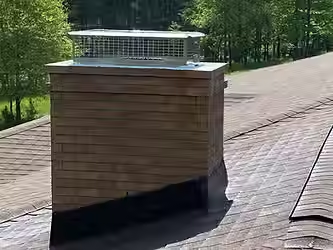
Chimney caps deserve a close look as well. A basic cap keeps out rain and wildlife, but windy locations may benefit from a wind-resistant cap designed to reduce turbulence around the flue opening. No cap is a cure-all. If the flue is blocked, the chimney is too short, or the firebox and flue are mismatched, changing the cap alone may not stop the downdraft.
Inside the chimney, creosote, fallen mortar, animal nests, leaves, and damaged liner sections can reduce the available flue area. Chimney cleaning and inspection are not just routine maintenance. They reveal restrictions and deterioration that can affect draft and create a fire hazard.
How to prevent chimney downdrafts with the right repair
A dependable repair begins with diagnosis, not guesswork. During an inspection, the technician should look at the firebox, damper, smoke chamber, flue liner, chimney height, cap, crown, and exterior masonry. They should also ask when the problem occurs and whether the home has recently had HVAC, insulation, roofing, or remodeling changes.
Repair damaged liners and smoke chambers
A cracked, improperly sized, or deteriorated liner can interfere with draft and allow heat or gases to reach areas where they do not belong. Unlined chimneys and unsafe fireplace inserts are especially important to address. A properly sized liner helps move combustion gases efficiently while protecting the chimney structure.
The smoke chamber, located above the firebox, should have a smooth path into the flue. Rough mortar joints, gaps, and improper construction can slow the movement of smoke. Depending on its condition, repair may involve parging the chamber or correcting related structural issues.
Address chimney height and roofline issues
A chimney needs enough height to clear nearby rooflines and avoid areas where wind creates turbulence. If the chimney is too short, gusts can push down across the opening and reverse the draft. Adding height may be the correct solution, but it must be done with sound masonry work and proper support. A taller chimney with loose brick or failing mortar is not a safe repair.
This is also where repointing can matter. Deteriorated mortar joints, loose brick, and a failing crown allow water into the chimney. Over time, that water damage can affect the liner, cap attachment, and overall stability of the stack. Keeping the masonry sound protects both the chimney's appearance and its function.
Fix leaks before they create larger problems
Water and draft problems often travel together. A cracked crown, damaged chase cover, missing cap, or failed flashing can let moisture into the system. Freeze-thaw damage, rust, and deteriorated components can follow. If you see white staining on brick, rust around the damper, water in the firebox, or staining on ceilings near the chimney, arrange an inspection before the next heating season.
For masonry crowns, a properly applied crown coat can help protect against moisture intrusion when the crown is otherwise suitable for repair. When the crown is severely cracked or poorly built, replacement may be the better long-term choice. The right recommendation depends on the condition of the chimney, not a one-size-fits-all repair.
Do not overlook fireplace inserts
A fireplace insert can be an efficient heating upgrade, but it must be installed with the correct liner and clearances. An older insert that vents improperly, has an undersized connection, or relies on a damaged chimney can contribute to smoke and draft concerns. Removal of an unsafe insert may be necessary before the chimney can be repaired and lined correctly.
This is not a project to solve by adding sheet metal, insulation, or a random cap from a hardware store. Chimney systems handle heat, combustion gases, and structural loads. Small shortcuts can hide the original problem while adding a new safety risk.
When to schedule a chimney inspection
Schedule a professional inspection if you have repeated smoke spillage, persistent cold air from the fireplace, strong odors, visible masonry damage, water leaks, or a damper that will not open and close correctly. An inspection is also wise before using a fireplace that has been idle for several years, after a chimney fire, or after major storm damage.
For homeowners in Fair Play, Oconee County, and nearby South Carolina communities, Coles Chimney and Brick Repair LLC can inspect the full system and explain the condition, repair options, and expected cost before work begins. A clear scope matters because the safest fix may be cleaning and a cap, while another chimney may need liner work, crown repair, repointing, or a new damper.
A chimney should move smoke out of your home, not pull it back inside. If your fireplace is giving you cold air, smoke, or odors, stop using it until the cause is clear. A timely inspection and a properly matched repair can restore safer operation and help you enjoy the fireplace with confidence.


Comments