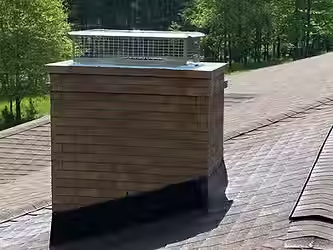
Is Chimney Flashing Leaking? Signs and Repairs
Updated: Oct 13
A brown ceiling stain near the fireplace, wet insulation in the attic, or a damp odor after a hard rain can make a homeowner ask, is chimney flashing leaking? It may be. But water around a chimney can also enter through cracked mortar, a failing crown, damaged shingles, or an uncovered flue. Finding the true entry point matters because caulking the wrong spot may hide the problem briefly while water continues damaging the roof structure and masonry.
What Chimney Flashing Does
Flashing is the sheet metal system installed where the chimney meets the roof. Because a chimney interrupts the roof surface, rainwater naturally collects and runs around it. Proper flashing directs that water back onto the shingles instead of allowing it behind the roofing materials or into the house.
On a masonry chimney, flashing is usually made up of base flashing and counterflashing. Base flashing sits against the roof and chimney. Counterflashing is set into the mortar joint above it and overlaps the base flashing. When both pieces are properly installed, water has a protected path away from the chimney.
A chimney chase on a prefabricated fireplace system works differently. Those systems often depend on a chase cover, siding details, and roof flashing. A rusted chase cover or loose metal seam can create leak symptoms that look exactly like flashing failure.
Signs Chimney Flashing May Be Leaking
The first sign is not always a drip on the hearth. Water can travel along rafters, framing, or the back side of masonry before it becomes visible. That is why a chimney should be inspected as a complete system, not just at the stain inside the home.
Look for water marks on the ceiling or wall near the chimney, peeling paint, soft drywall, or a musty smell in the room or attic. In the attic, check for darkened roof decking, wet insulation, rusty nails, or damp wood around the chimney opening. Outside, loose flashing edges, missing sealant, rust holes, lifted shingles, and gaps where metal meets brick all deserve attention.
White, powdery staining on the brick, called efflorescence, can also point to repeated moisture exposure. So can spalling brick, crumbling mortar joints, and rust streaks below a metal component. These masonry symptoms do not prove the flashing is at fault, but they do show that water has been getting where it should not.
A leak that appears only during wind-driven rain often points to a flashing, roof, or chimney-cap detail. A leak that occurs after every rain and seems to run down the chimney face may be related to a cracked crown, open mortar joints, or porous masonry. Snow and ice are less common concerns in much of South Carolina, but heavy storms and humid conditions can expose small installation defects quickly.
Why Chimney Flashing Fails
Flashing does not usually fail all at once. Age, roof movement, thermal expansion, corrosion, and previous patchwork can slowly open a path for water. Older chimneys may have counterflashing that has pulled out of the mortar joint, deteriorated sealant, or metal that was never properly integrated with the shingles.
Improper installation is another common cause. Flashing should be layered with the roof system so water sheds naturally. A bead of roof cement or caulk across the surface is not a lasting substitute for correctly placed step flashing and counterflashing. Sealants have a role, especially at specific joints, but they eventually dry out and crack when used as the only defense against water.
Masonry movement can create trouble too. Mortar joints weather, brick absorbs and releases moisture, and a settling or unstable chimney can separate from the roof line. If the chimney crown is cracked or the mortar needs repointing, repairing only the metal may not solve the full problem.
Roof condition is part of the diagnosis. Worn shingles, damaged valleys, exposed nails, and roof penetrations near the chimney can send water toward the same area. The safest repair is the one based on clear evidence, not a guess made from the ground.
How a Professional Finds the Leak Source
A proper chimney leak inspection starts outside and continues through the attic and interior spaces when access allows. The goal is to follow the water path, not simply repair the most visible damage.
The exterior inspection should include the chimney crown, cap or chase cover, flue tile, brick, mortar joints, roof-to-chimney flashing, nearby shingles, and the uphill side of the chimney where water collects. The attic can reveal whether moisture begins at the roof deck, behind the flashing, or farther up the masonry.
In some cases, the chimney and roof show more than one issue. For example, a chimney may have loose counterflashing and a cracked crown. Fixing the flashing protects the roof intersection, while crown repair keeps water from soaking down through the masonry. Leaving either problem untreated can shorten the life of the other repair.
Avoid climbing onto a steep or wet roof to investigate it yourself. Chimneys are often located in difficult areas of the roof, and loose brick or aging flashing can make footing even less predictable. A visual check from the ground is useful, but hands-on inspection and repair should be left to a qualified, insured professional.
Repair Options for Leaking Chimney Flashing
The right repair depends on the condition of the metal, the shingles, and the chimney masonry. If the flashing is sound but a small joint has opened, a professional may be able to reseal a properly detailed joint and secure loose sections. This is the least invasive option, but it only makes sense when the underlying flashing system is in good condition.
If flashing is rusted, bent, improperly layered, or pulling away from the chimney, replacement is often the better value. The repair may require carefully removing shingles around the chimney, installing new base or step flashing, setting counterflashing into sound mortar joints, and restoring the roofing materials around it. Done correctly, the metal is integrated to shed water instead of depending on surface caulk.
When mortar joints around the flashing are failing, repointing may be part of the job. Repointing removes deteriorated mortar and replaces it with new mortar that supports the counterflashing and helps protect the chimney from water entry. On older brick, the mortar mix and installation method matter. Mortar that is too hard or poorly matched can cause additional brick damage over time.
A damaged crown should also be addressed when it is contributing to the leak. Minor crown deterioration may be repaired with a quality crown coat, while severely cracked or poorly formed crowns may need rebuilding. Coles Chimney and Brick Repair LLC provides crown-coat work with a 15-year warranty, along with the masonry and chimney repair needed to address the source of water intrusion.
Do Not Let a Small Leak Become Structural Damage
Water does more than leave a stain. Over time, it can rot roof decking, weaken framing, saturate insulation, damage ceilings, rust fireplace components, and break down brick and mortar. When moisture reaches the firebox, damper, liner, or fireplace insert area, it can also create safety and performance concerns.
Temporary patches can be reasonable during an urgent storm situation, but they should be treated as temporary. Covering a visible gap with tar or sealant may reduce water for the moment, yet it can make later repairs harder and can trap moisture where it does not belong. A clear inspection and written explanation of the repair scope give homeowners a better basis for deciding what needs to be fixed now and what can be planned.
If you see new staining, loose metal, crumbling mortar, or signs of water in the attic, arrange an inspection before the next heavy rain turns a manageable repair into a larger roofing and masonry project. A timely repair protects the chimney, the roof, and the home beneath both.


Comments